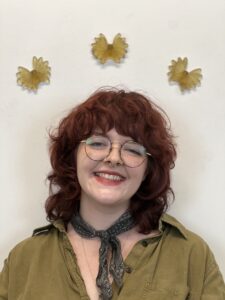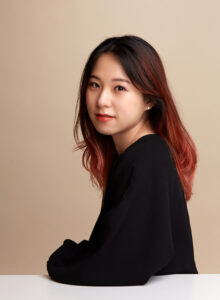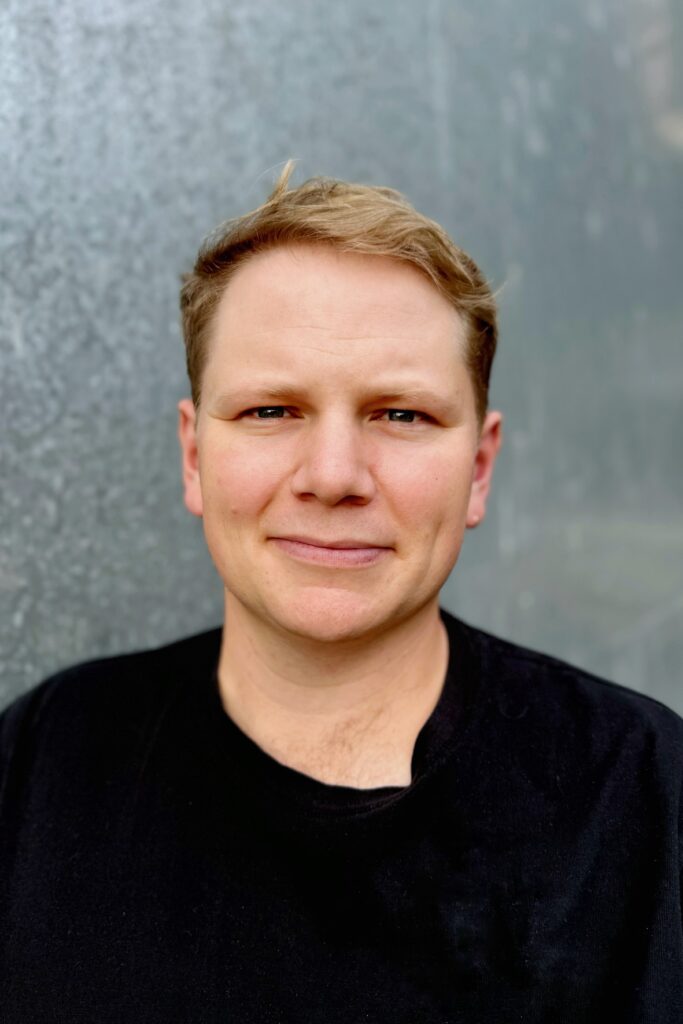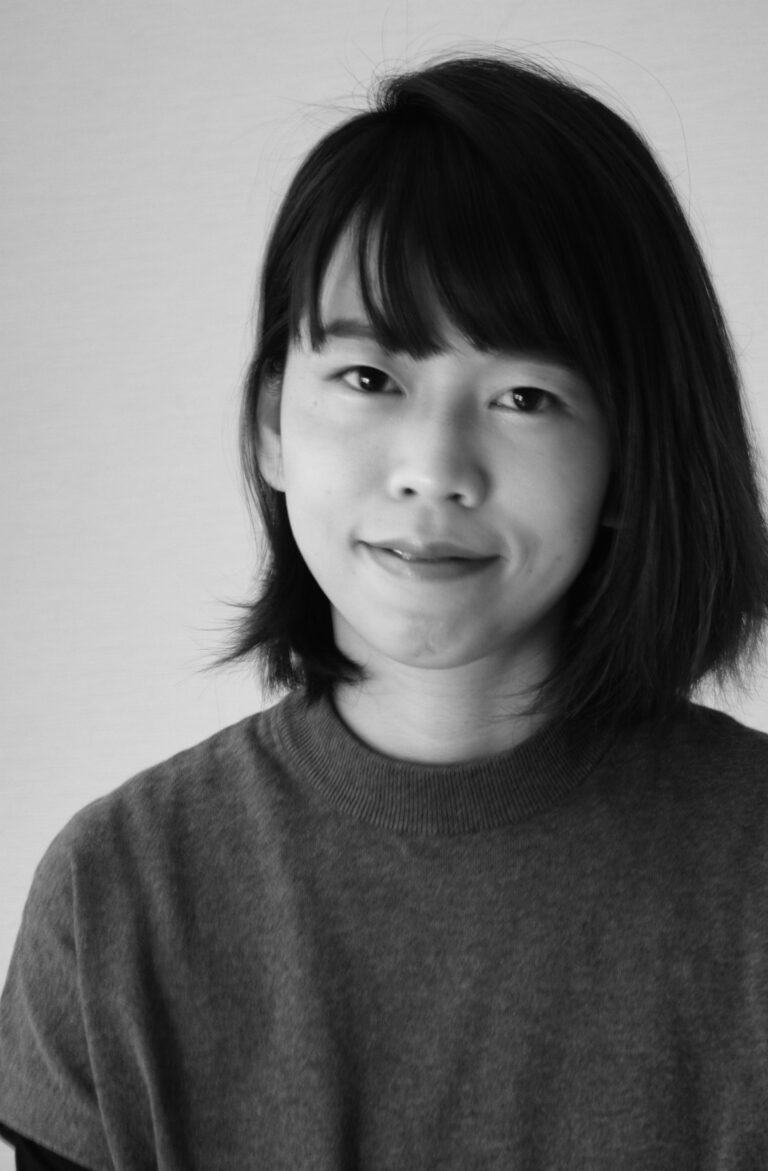
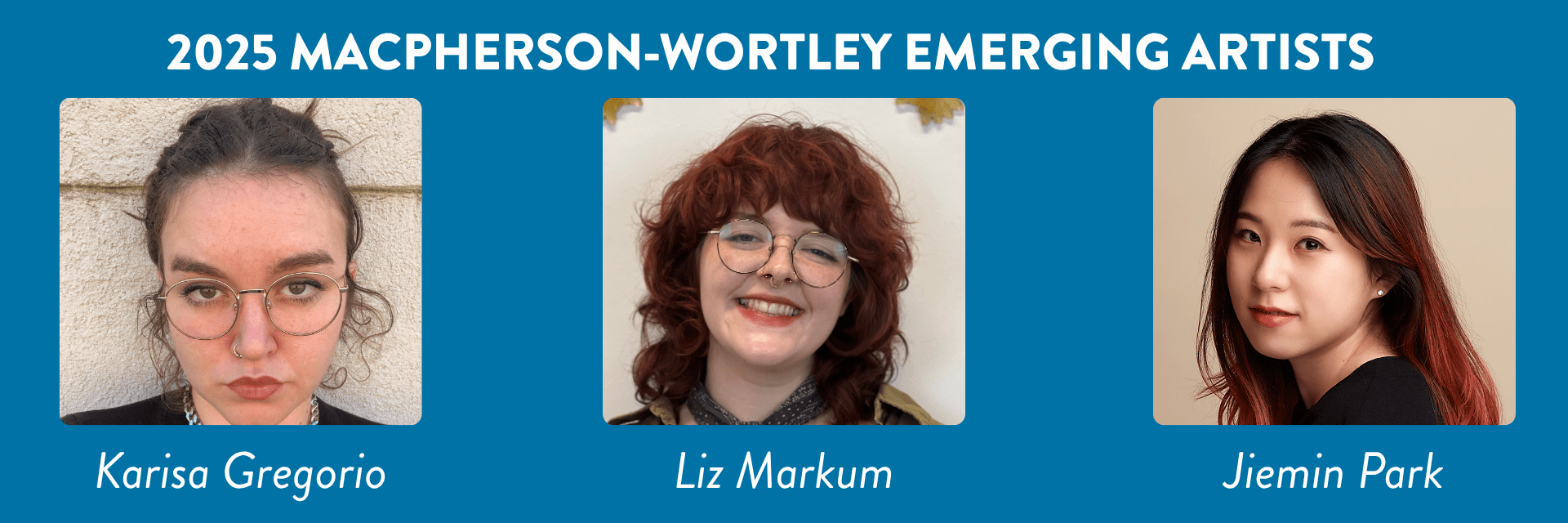
Karisa Gregorio, Liz Markum, and Jiemin Park were selected to receive the 2025 MacPherson-Wortley Emerging Artist Award because of their fresh and unique approaches to working with glass.
Formerly known as the ‘Saxe Emerging Artist Award’, this annual award is internationally recognized by emerging glass artists all around the globe. Thanks to the previous support of the Saxe Family, five awardees each received an individual cash prize of $200, matched with a GAS complimentary conference exhibition pass, the opportunity to present at the GAS annual conference, and widespread recognition across our GAS platforms, including a profile in the exclusive GAS-produced Saxe digital exhibition catalog.
Now generously funded by Nancy and Roger MacPherson and Barbara and Richard Wortley, the MacPherson-Wortley Emerging Artist Award is presented annually to three exemplary emerging artists in the glass community. This prestigious juried award includes a cash prize, a special lecture slot at the annual GAS Conference, a digital exhibition catalog, and a residency at the Chrysler Museum of Art Perry Glass Studio.
“We are honored by the MacPhersons and Wortleys’ visionary commitment to emerging artists. Their support allows us to expand what our Emerging Artist Awardees receive; a larger cash prize and a residency can be a remarkable opportunity for emerging artists as they seek to expand their practice,” said Brandi P. Clark, GAS executive director.
Explore the 2025 MacPherson-Wortley Emerging Artist virtual exhibition!
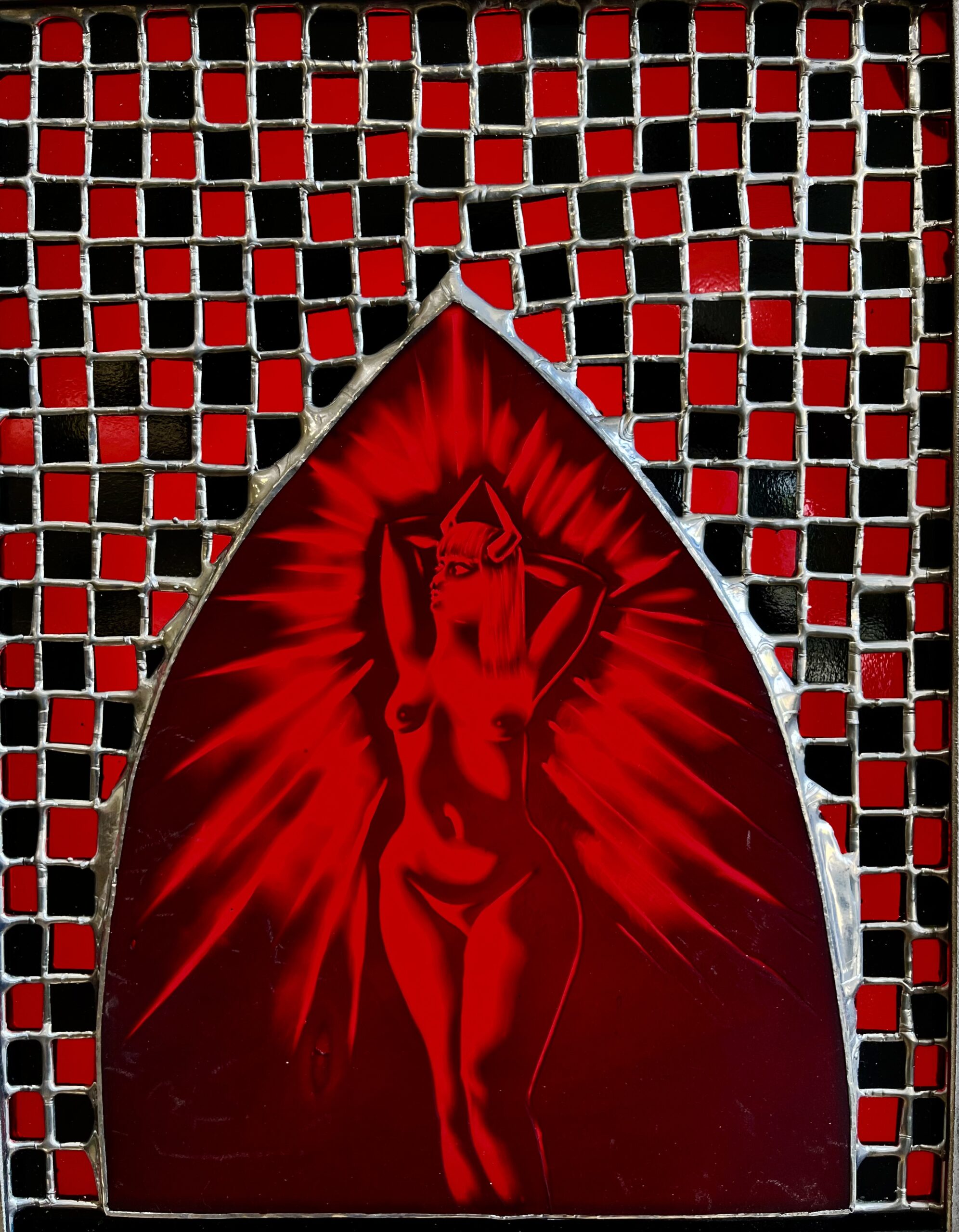
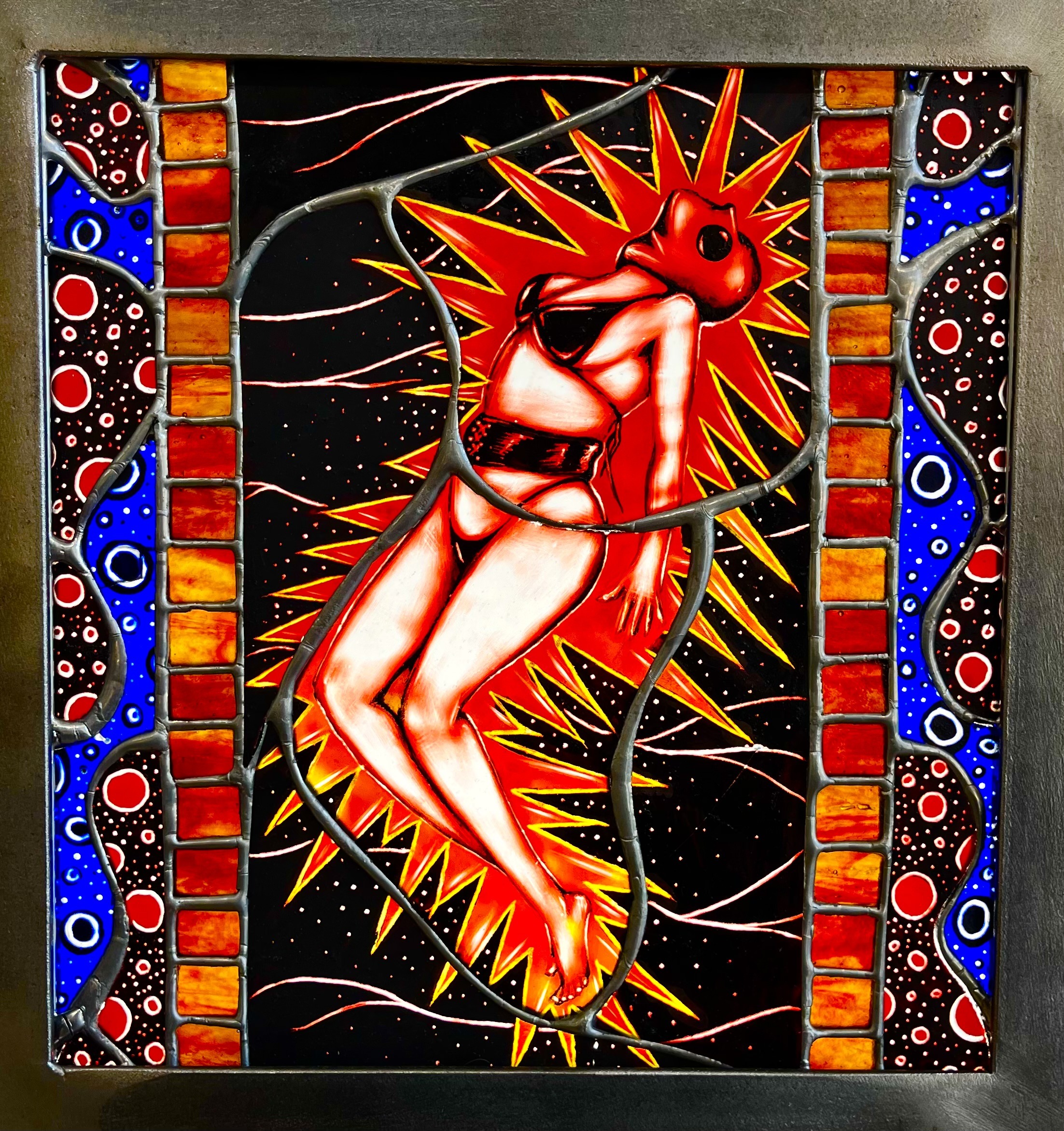
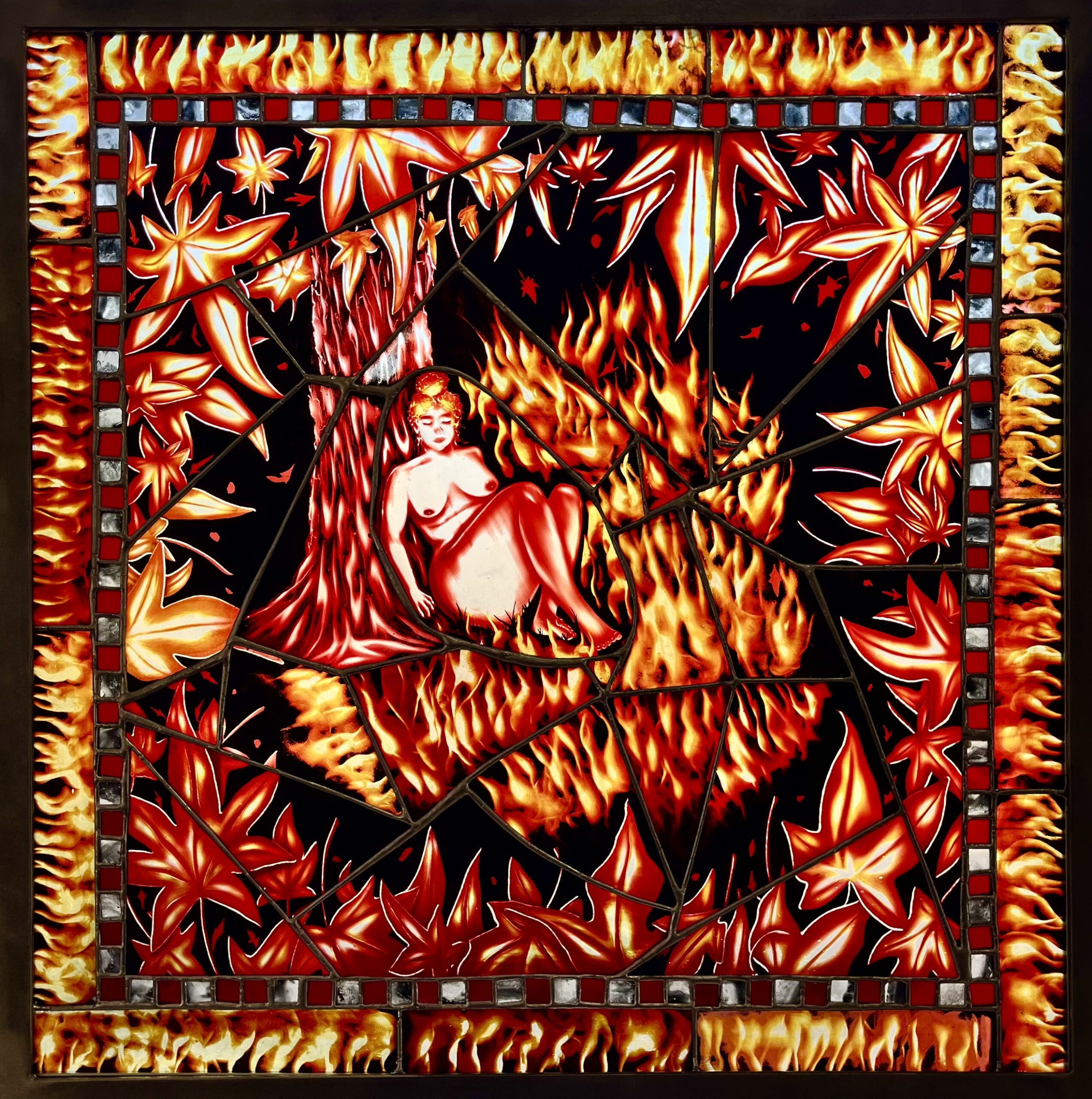
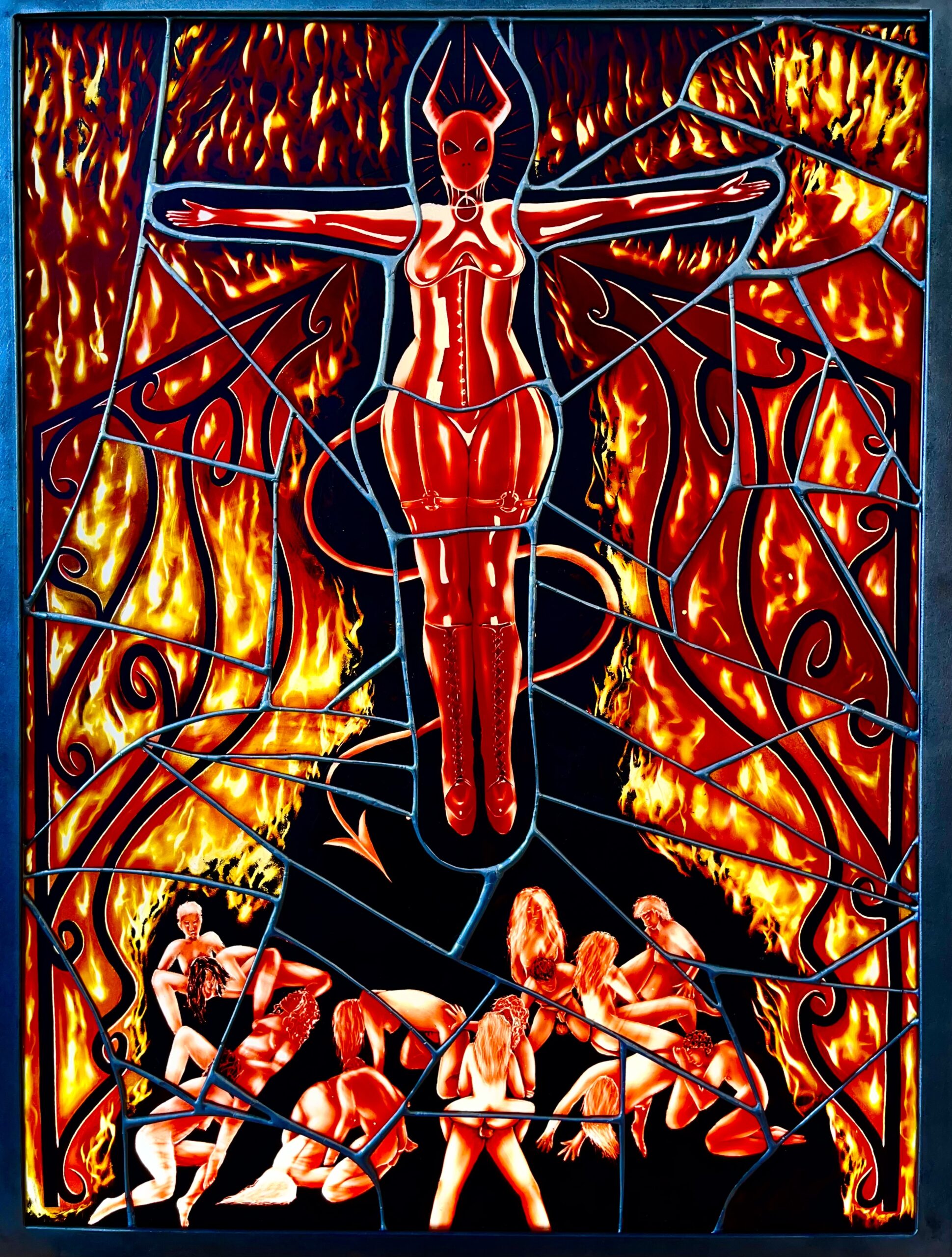
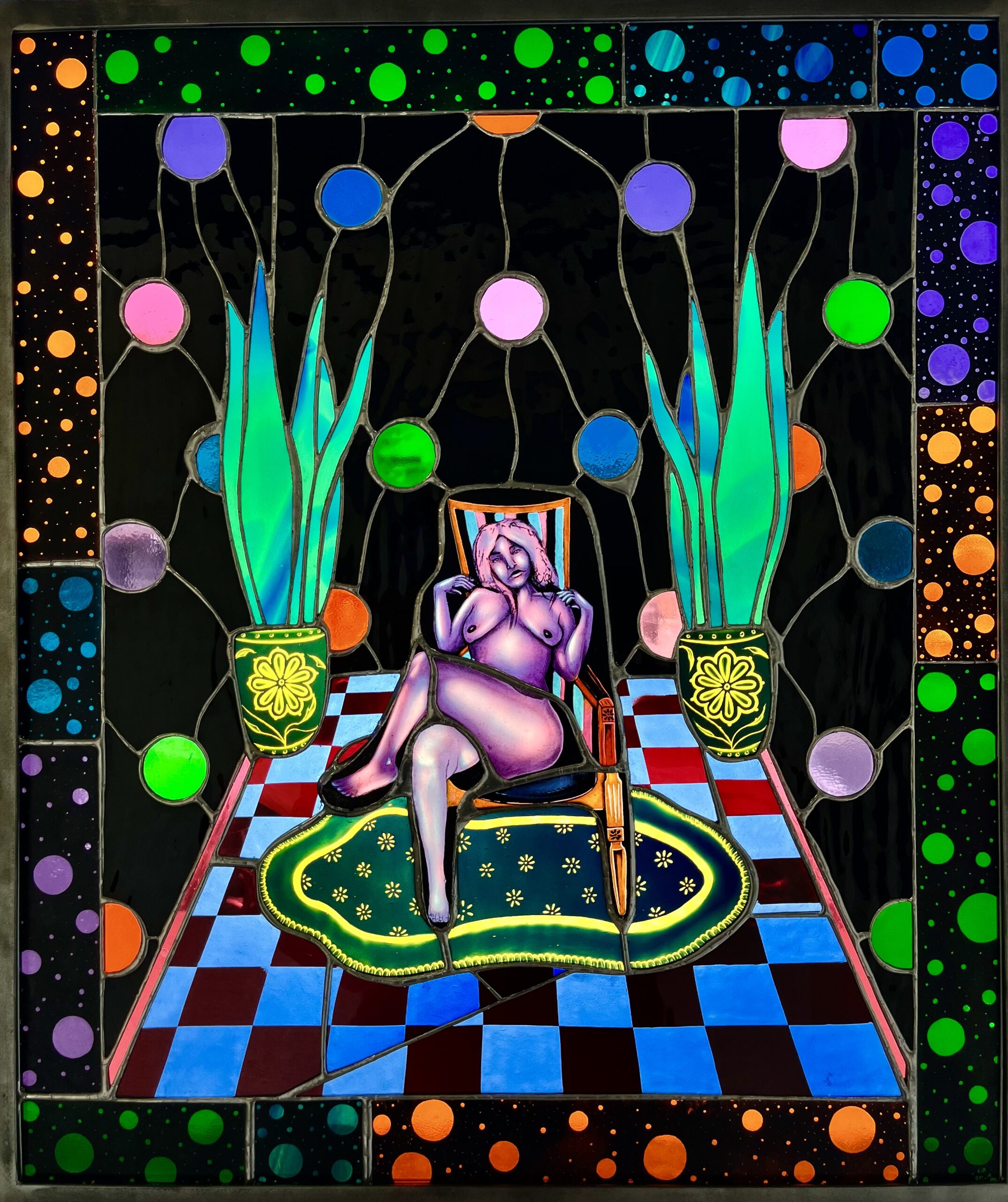
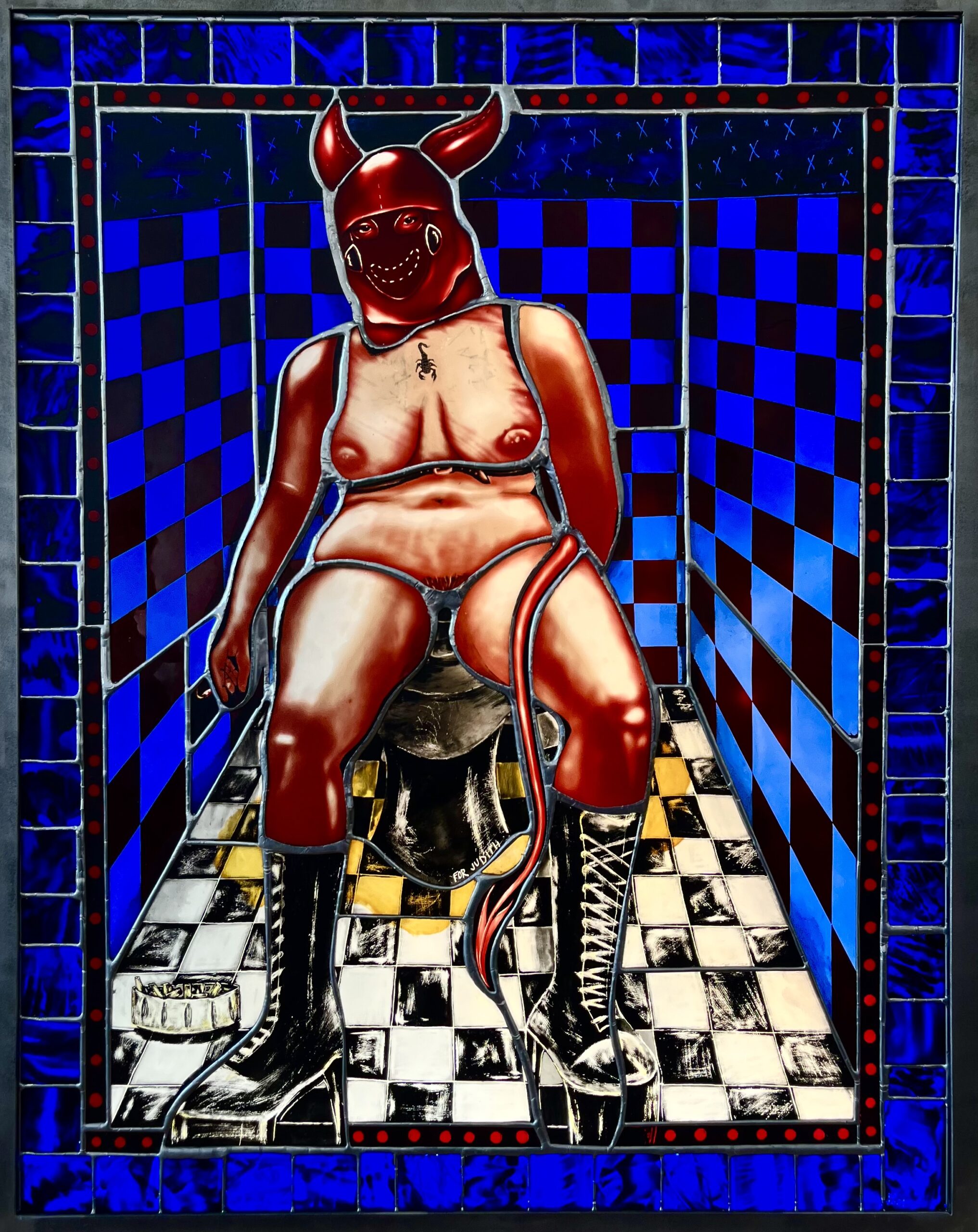
Karisa Gregorio
ARTIST STATEMENT
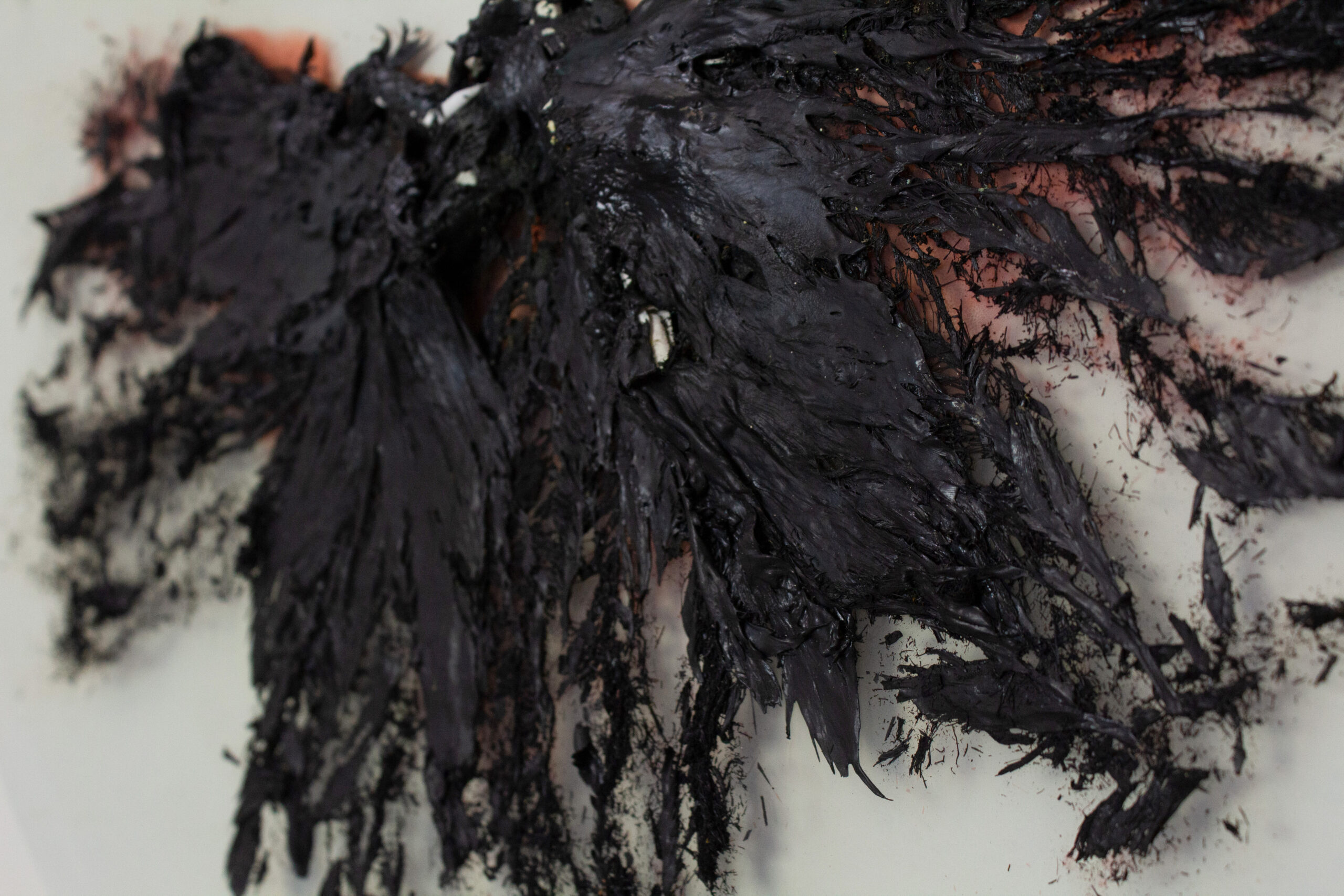
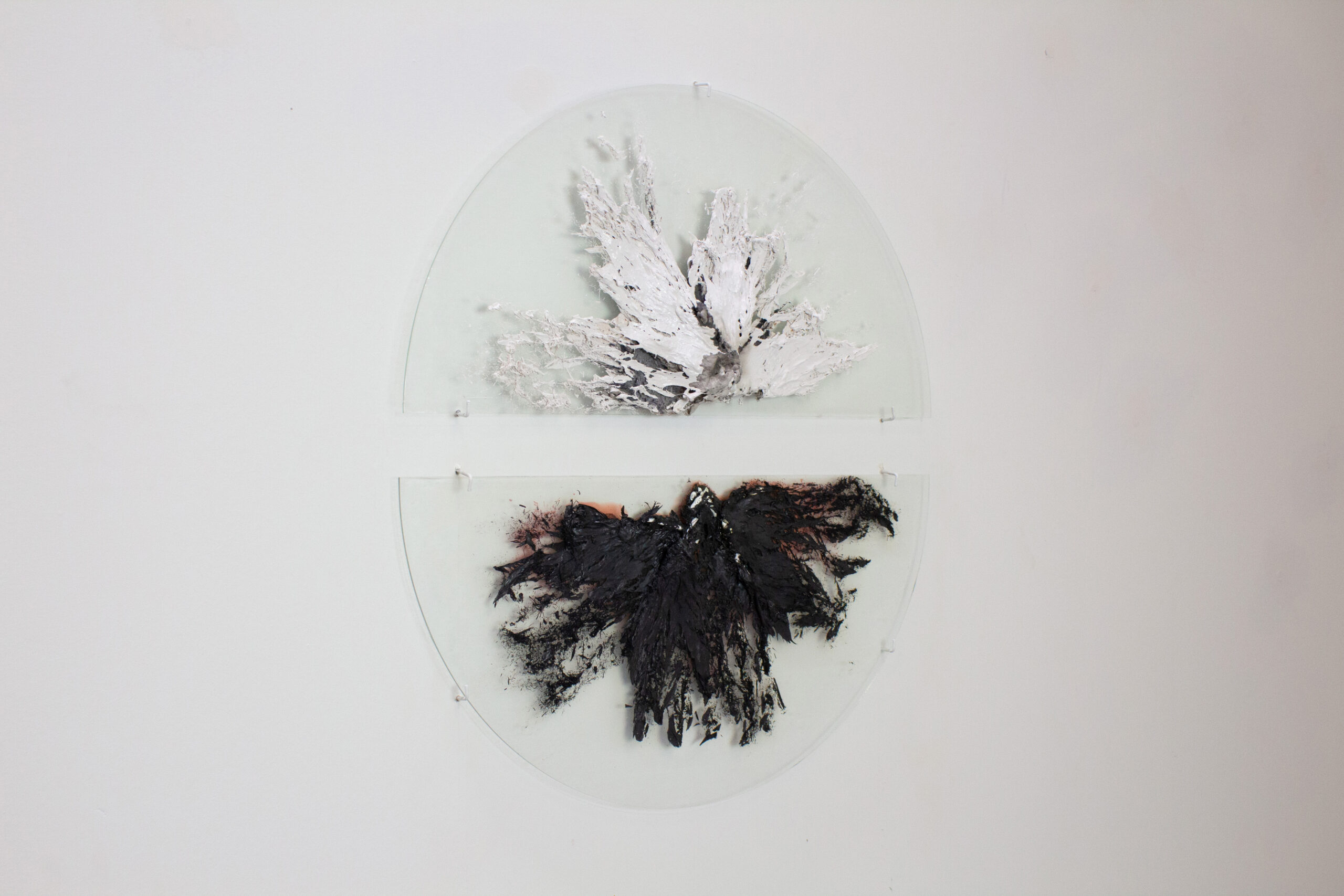
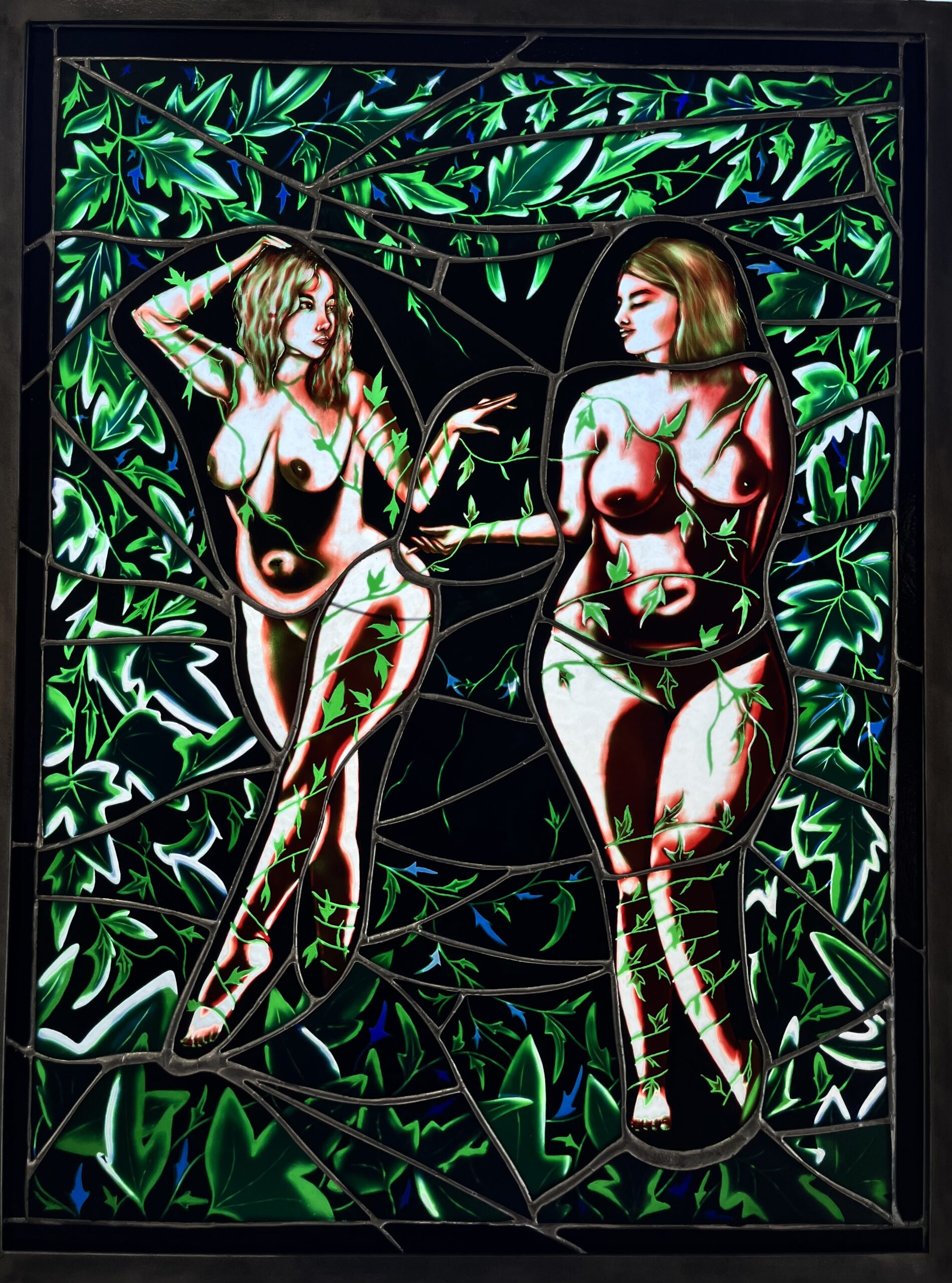
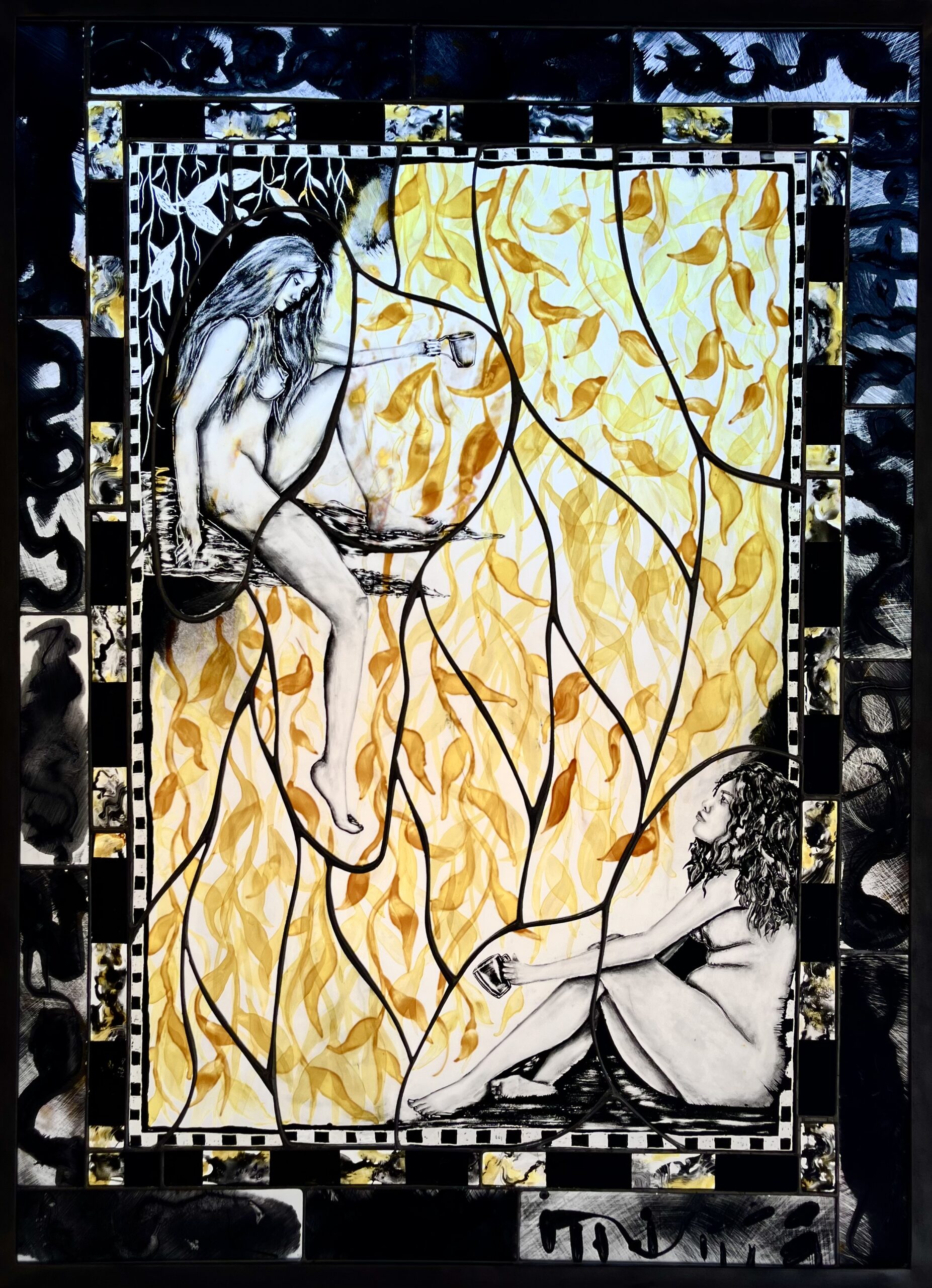
My work explores themes such as sex, death, God, the Devil, pleasure, temptation, intimacy, love, lust, and indulgence. The relationship between glass and light in stained glass allows her to create works that feel alive. Using traditional stained glass processes, as well as processes learned from Judith Schaechter, the depth and intimacy of the materials create a world in which the pleasures of the flesh and emotions of the heart are illuminated and illuminating. My aim is to one day create a cathedral in which enlightenment comes from the experiences in life that, in my opinion, make life worth living. To create an environment in which relationships between the viewer and the work, and the relationships between people, are not limited, but allowed to be felt and fully indulged in.
Liz Markum
ARTIST STATEMENT
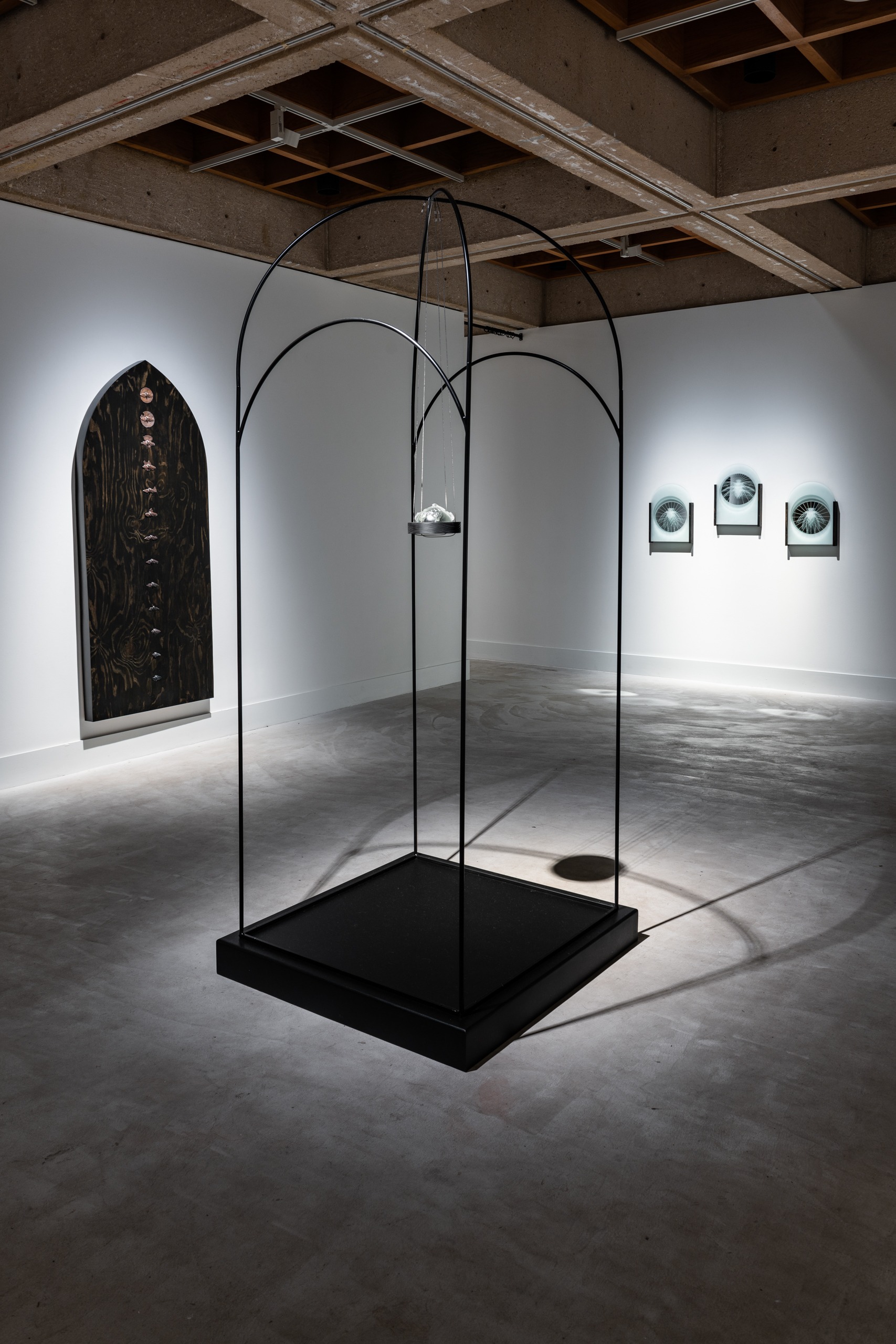
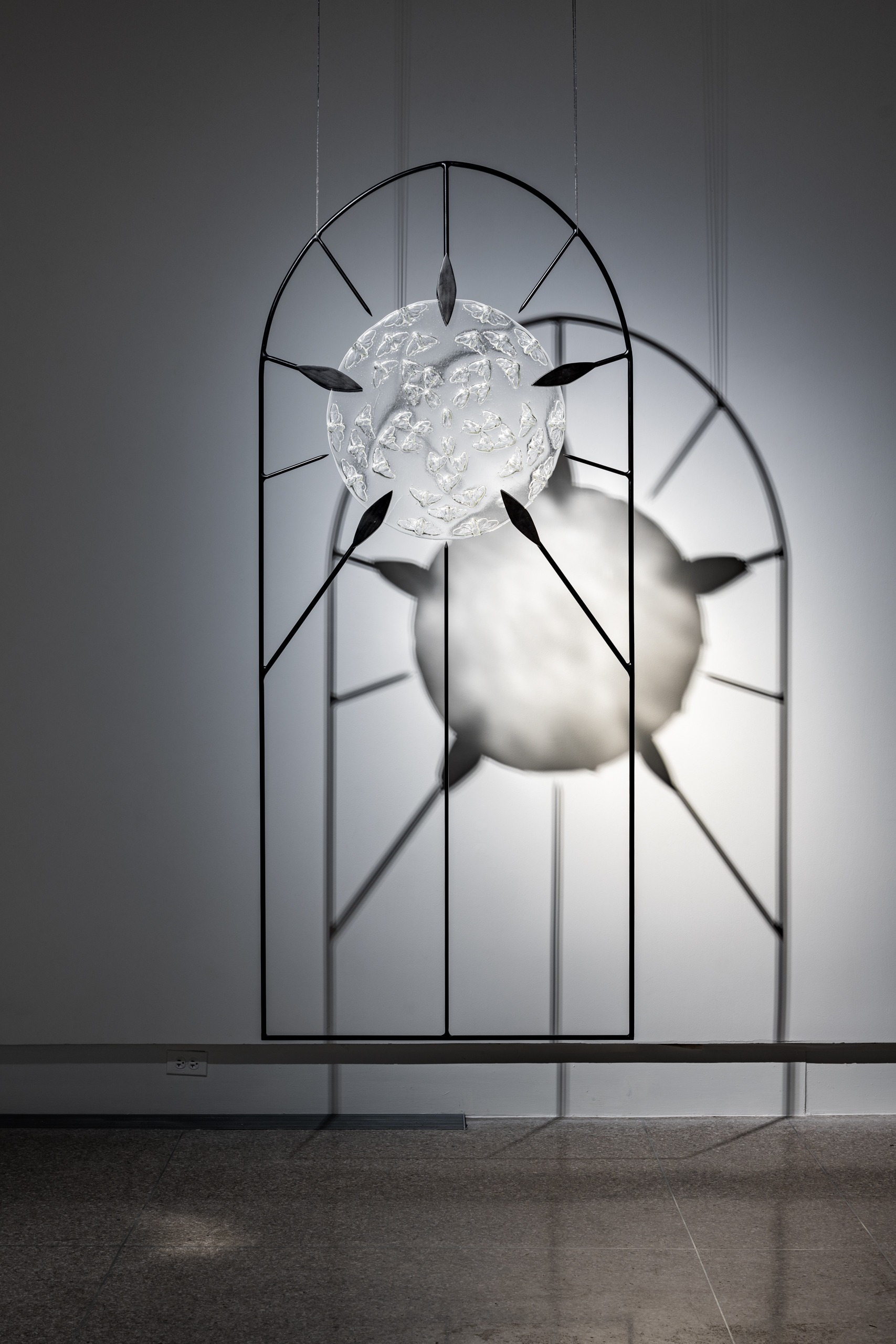
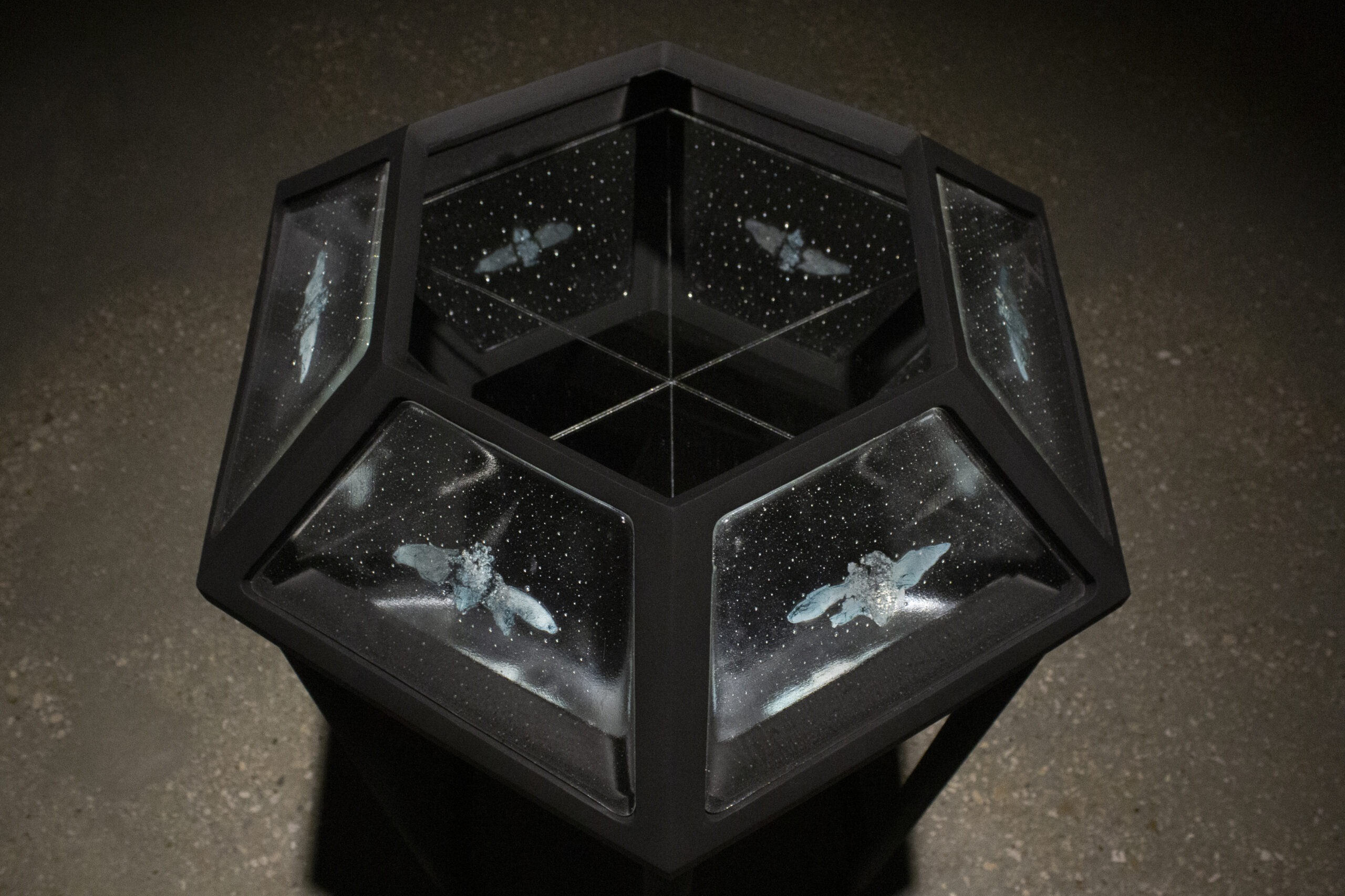
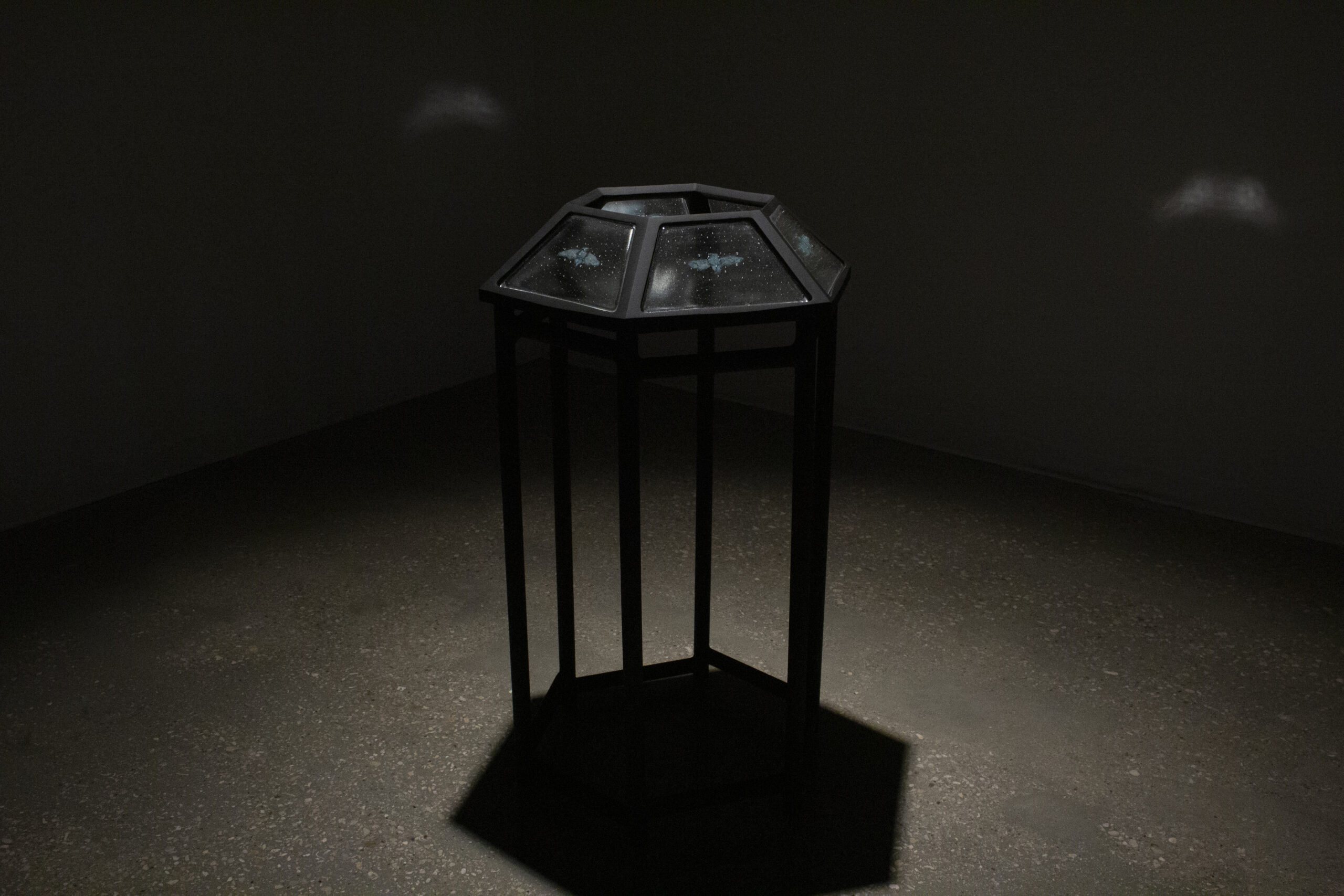
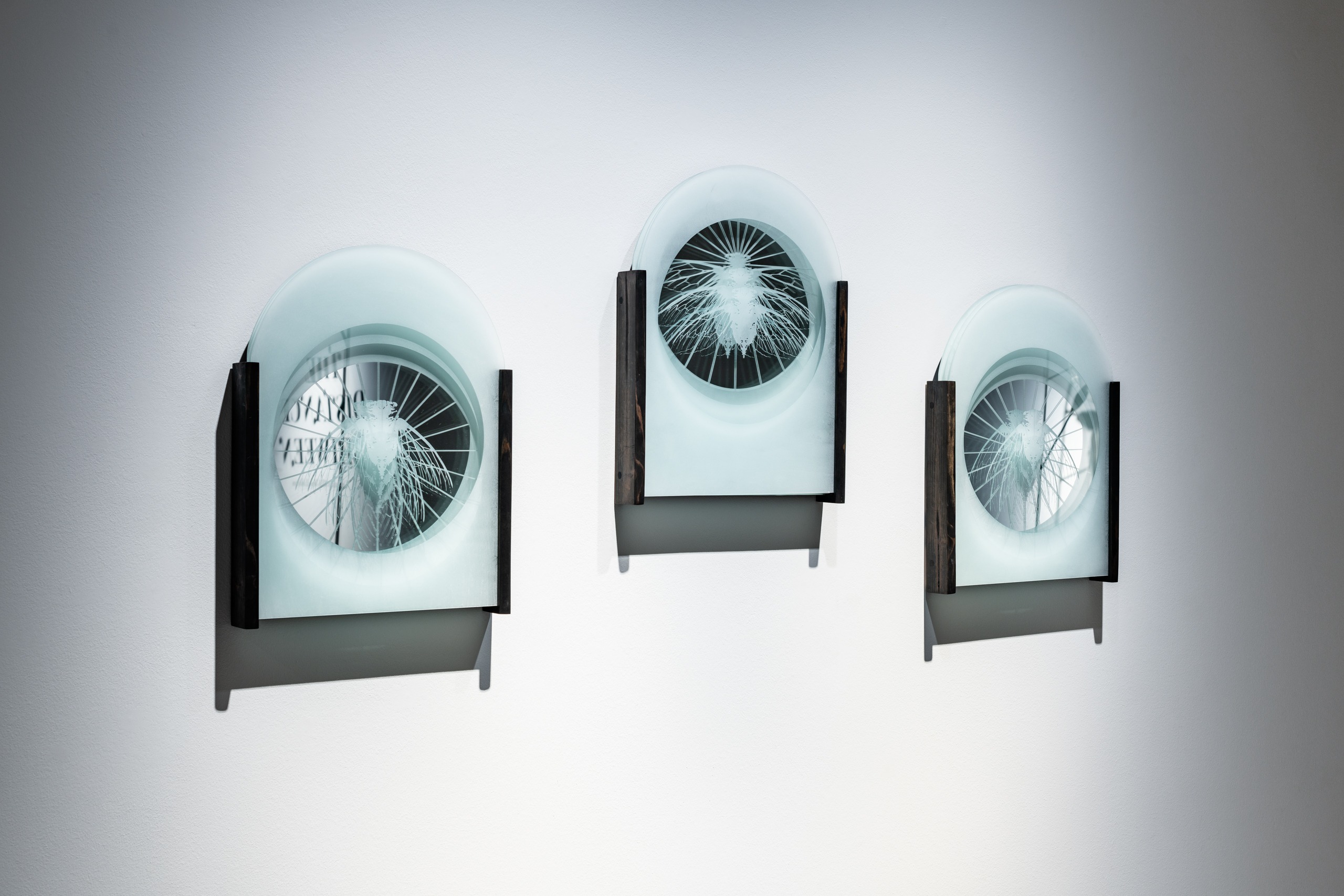
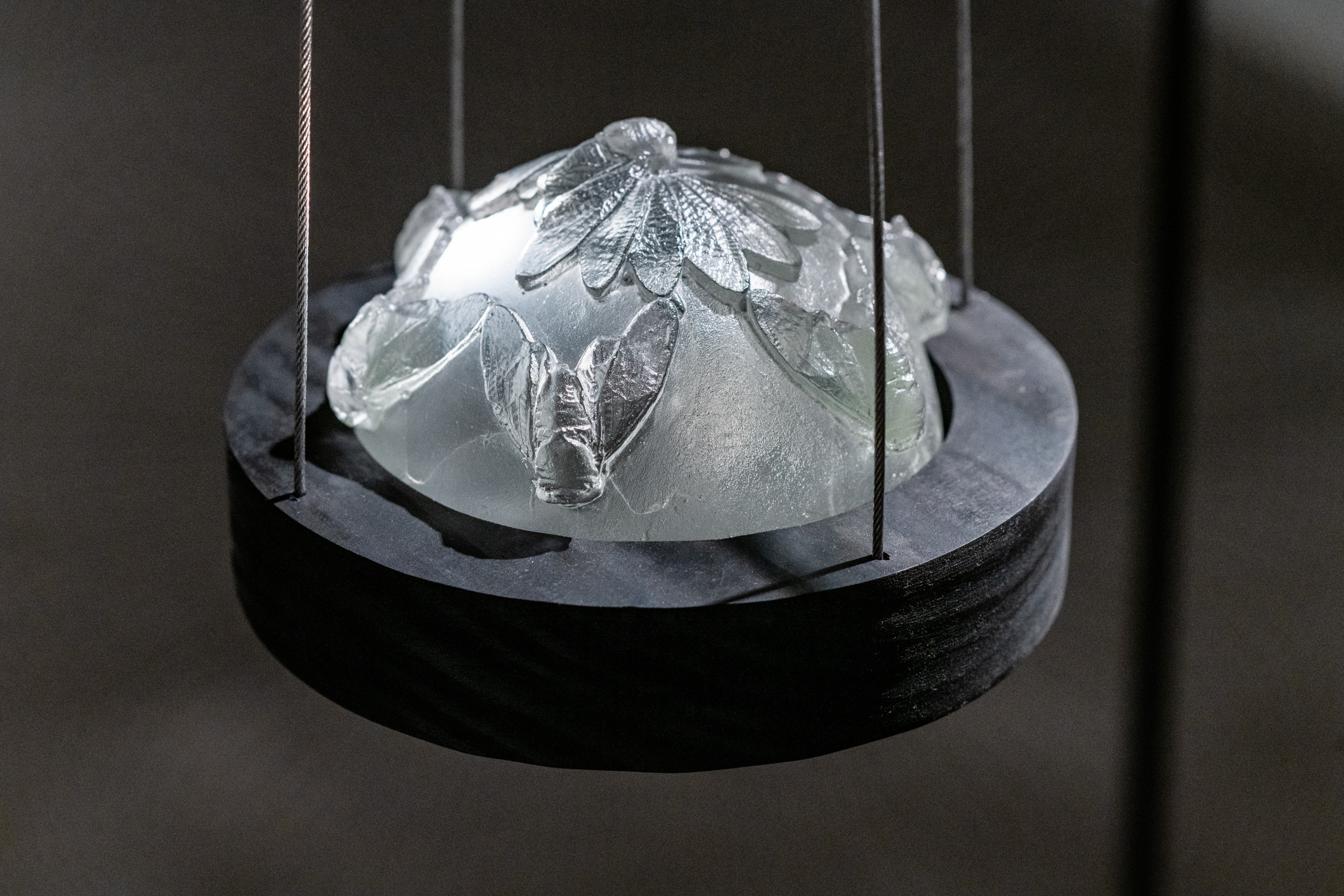
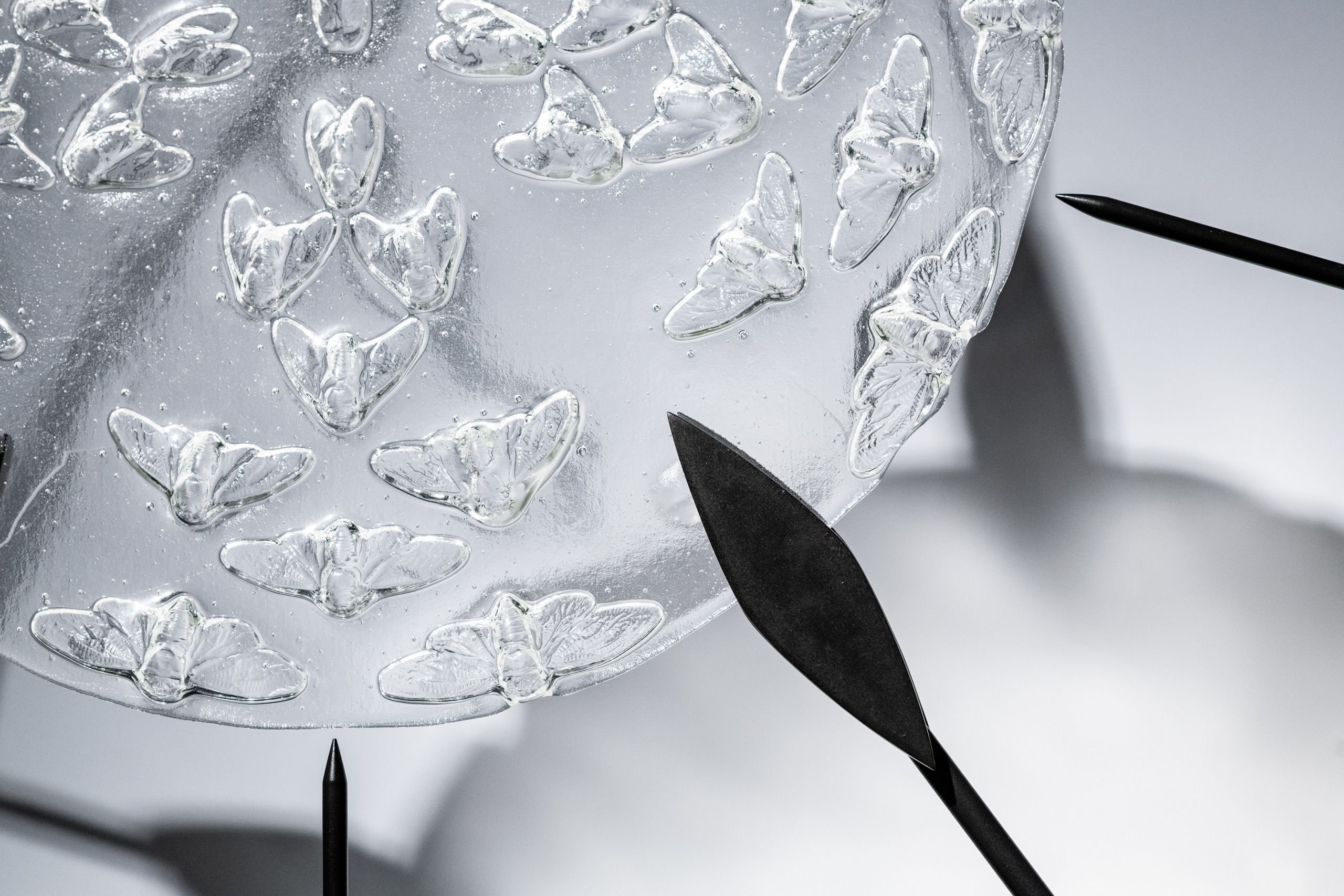
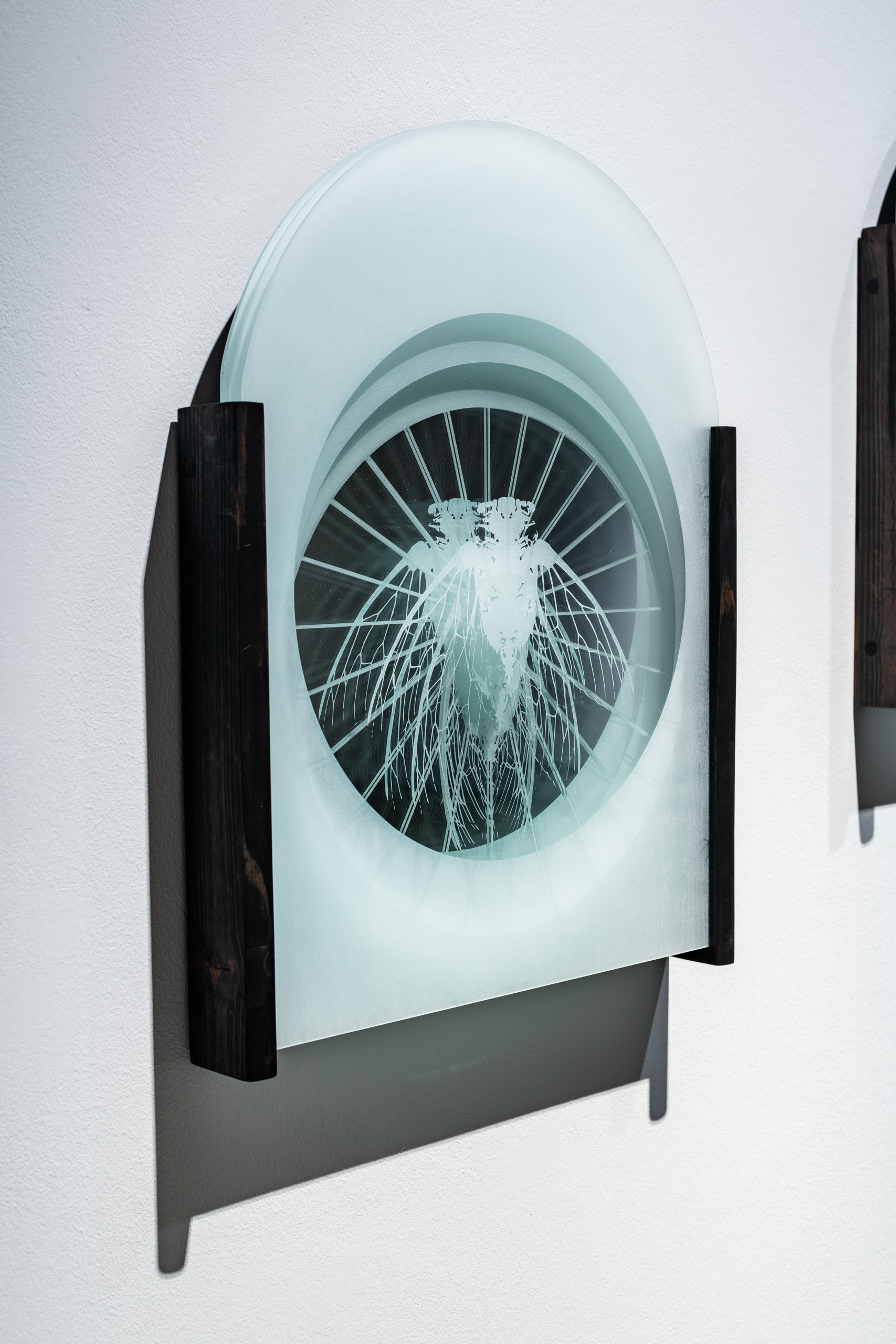
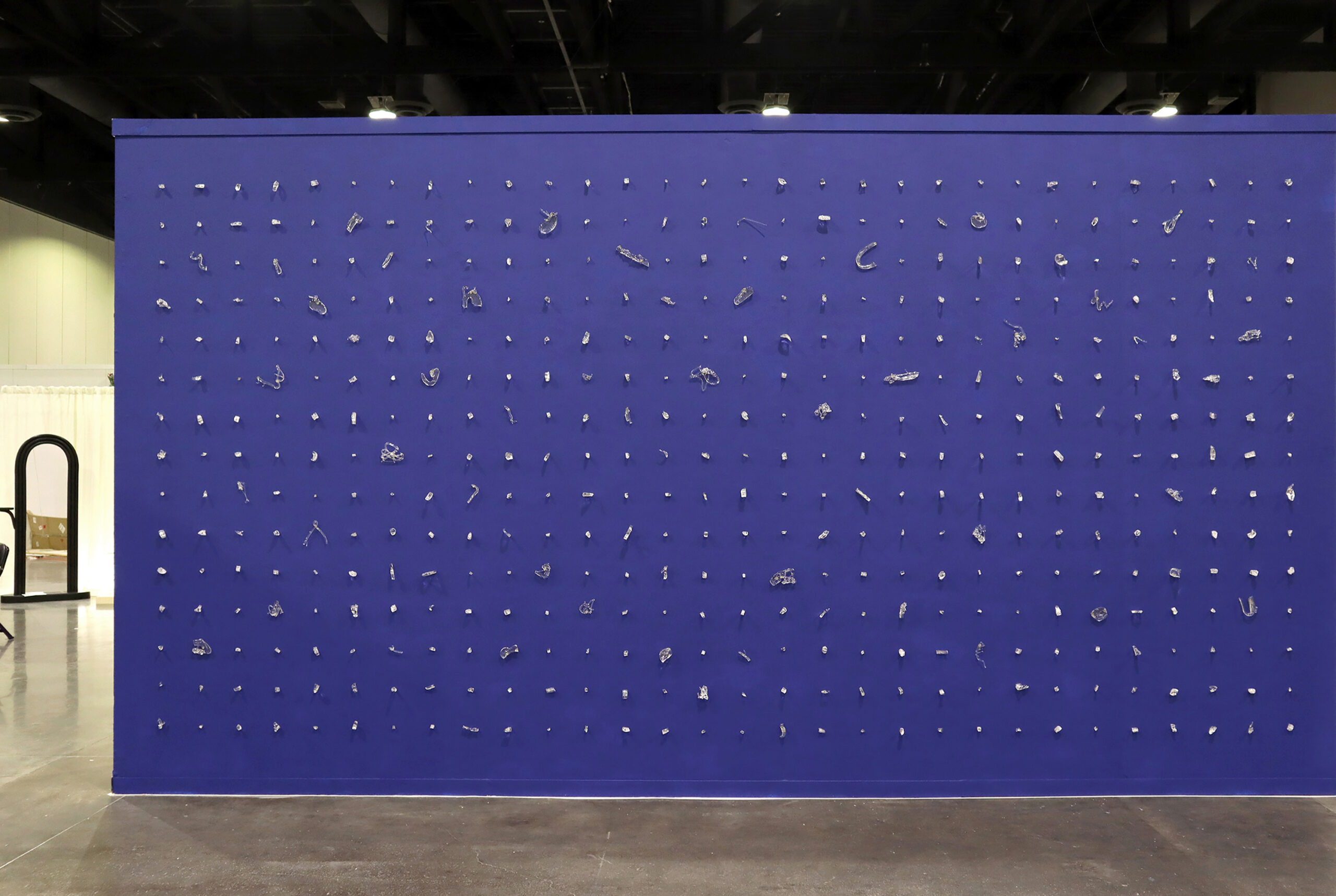
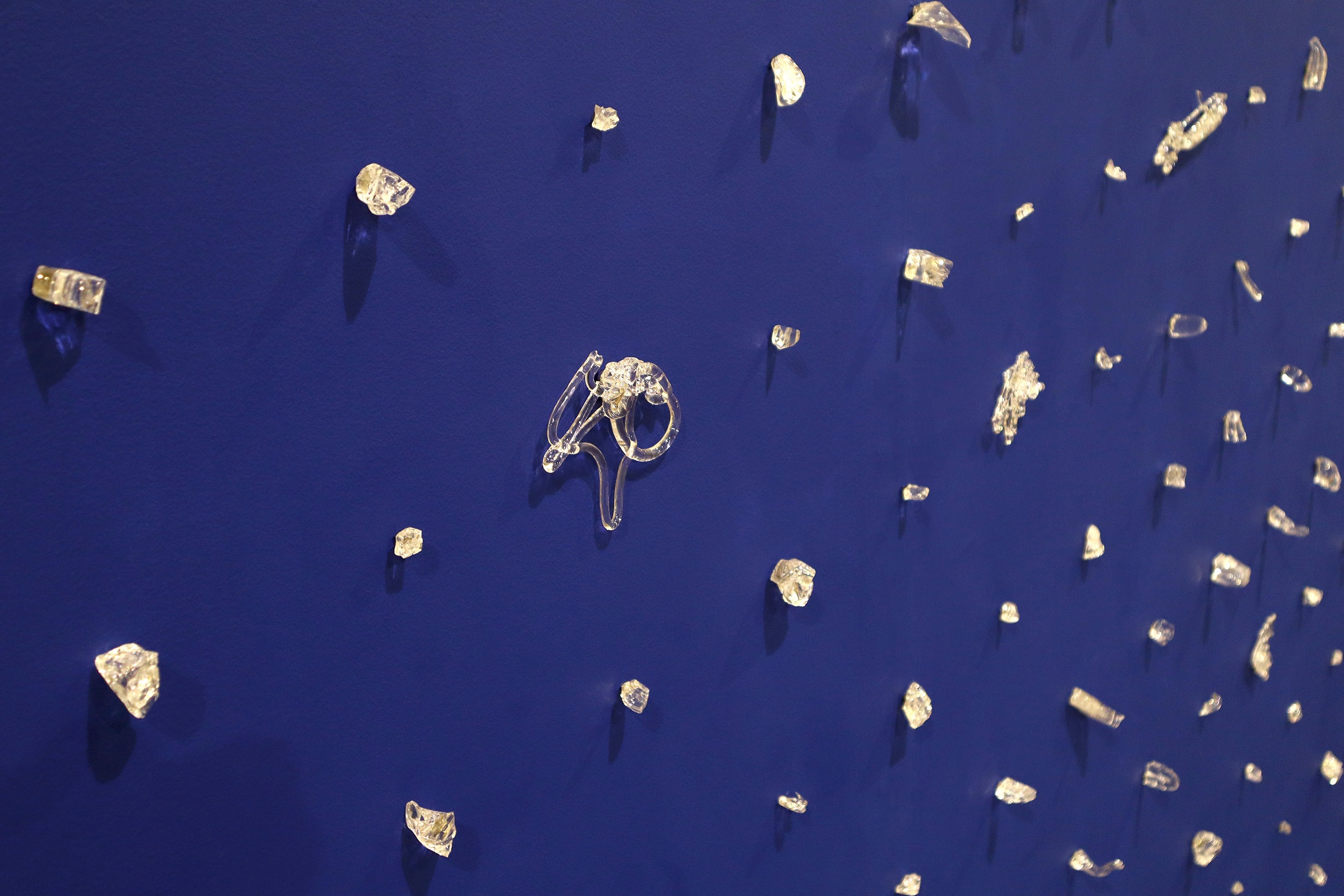
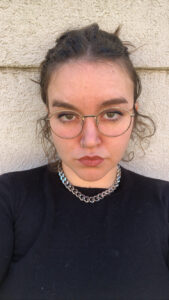
Through the use of intentional materiality and layered structures, I turn the remains of creatures into experiences of wonder and introspection. The objects I create are embedded in an overlapping theoretical space between relics and fossils, sacred and secular. Utilizing the familiar visual language and iconography of institutions of reverence such as science and religion, I call respect and awe to the creatures at hand. Throughout my practice, I collect and cast sustainably sourced specimens, tenderly capturing their likeness of physical and ephemeral traits. I encapsulate parts of the essence of creatures in castings of glass, porcelain, iron, and bronze. Each of these permanent materials elevates different aspects of the creatures in life and death, calling upon their lore and common associations to invoke dialogues surrounding them.
Glass creates a sense of ephemerality as its range of transparencies
places it both here and somewhere beyond. This material is used as the body of relics as castings, etchings, and fusings, preserving and amplifying the organics they resemble. These glass works are presented through structures of steel, wood, and mirrors to heighten and project their presence. Dramatic lighting transforms these objects into experiences, as their combination with mirrors and glass enacts reflections and refractions of light. These materials create portals between what is and isn’t physically here. Steel and wood provide solid foundations of strength and presentation, enacting the strands of narration outside of the lore of the specimen itself. These forms use designs and visual language already familiar to viewers from institutions such as museums and churches, pulling from the perceived value of these places to create speculative narratives of the mythos of the creatures at hand. These hybrid forms prompt questions of past and future lore of ecology, bordering the line of ecogothic and romanticism.

Liz Markum is a queer artist based in Texas whose work reexamines the remnants of the local natural world through a lens of curiosity and reverence. Using materials and processes such as cast glass, cast metal, print media, woodworking, and metalworking, they create sculptures that serve as reliquaries of ecology. They received their BFA in Sculpture at the University of Texas at Arlington in 2021 and their MFA in Sculpture at the University of North Texas in May of 2024.
Jiemin Park
ARTIST STATEMENT
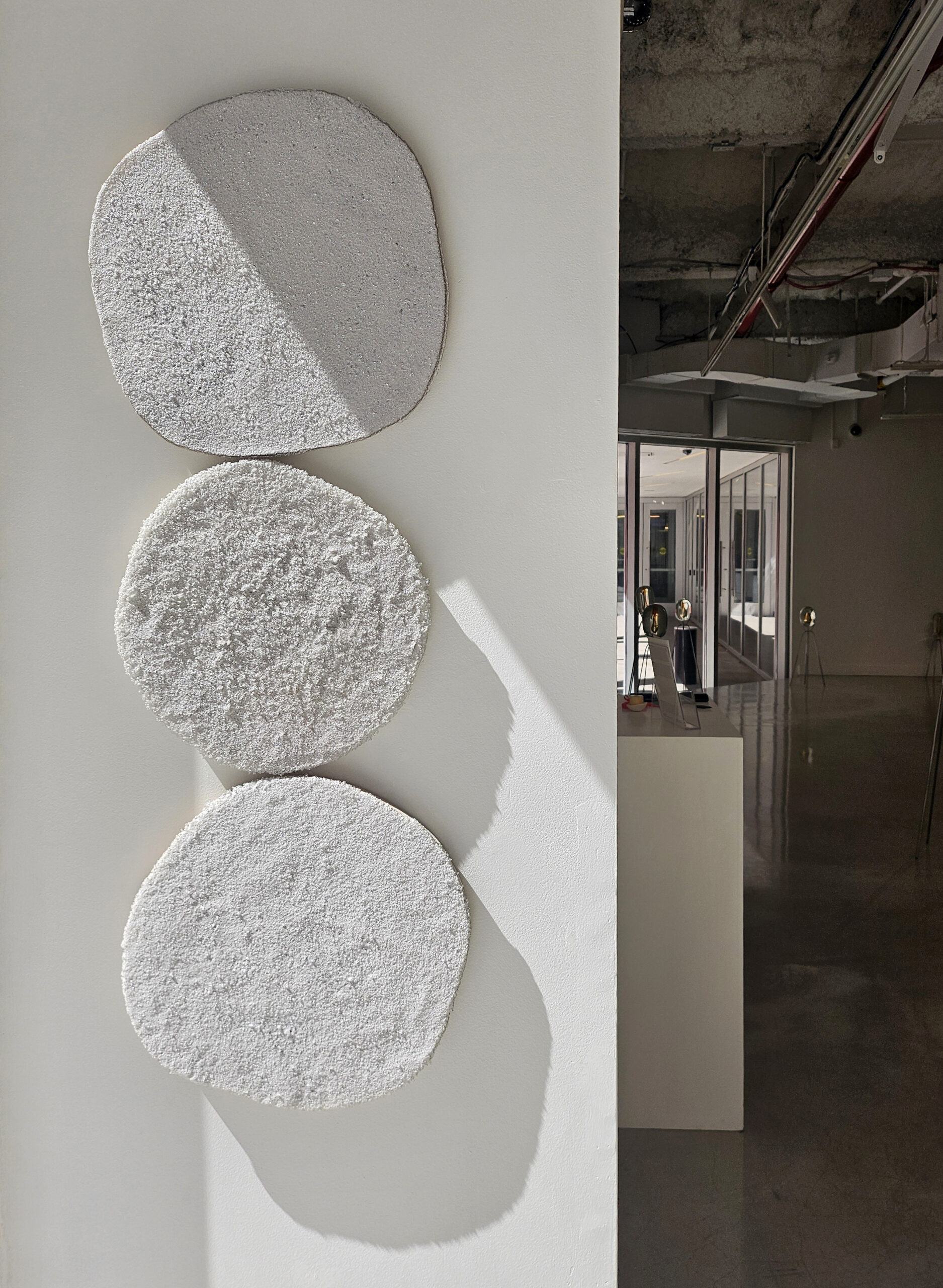
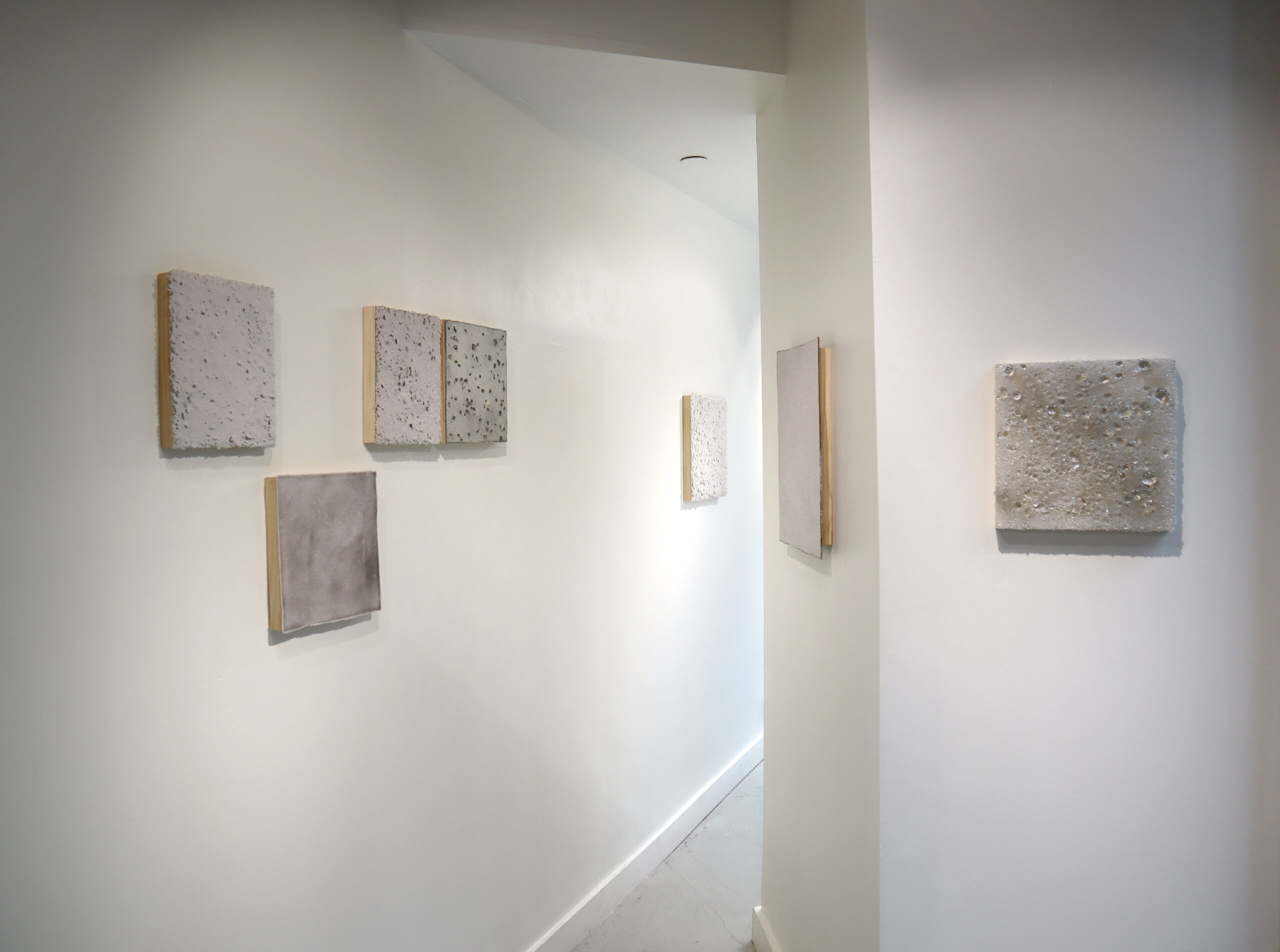
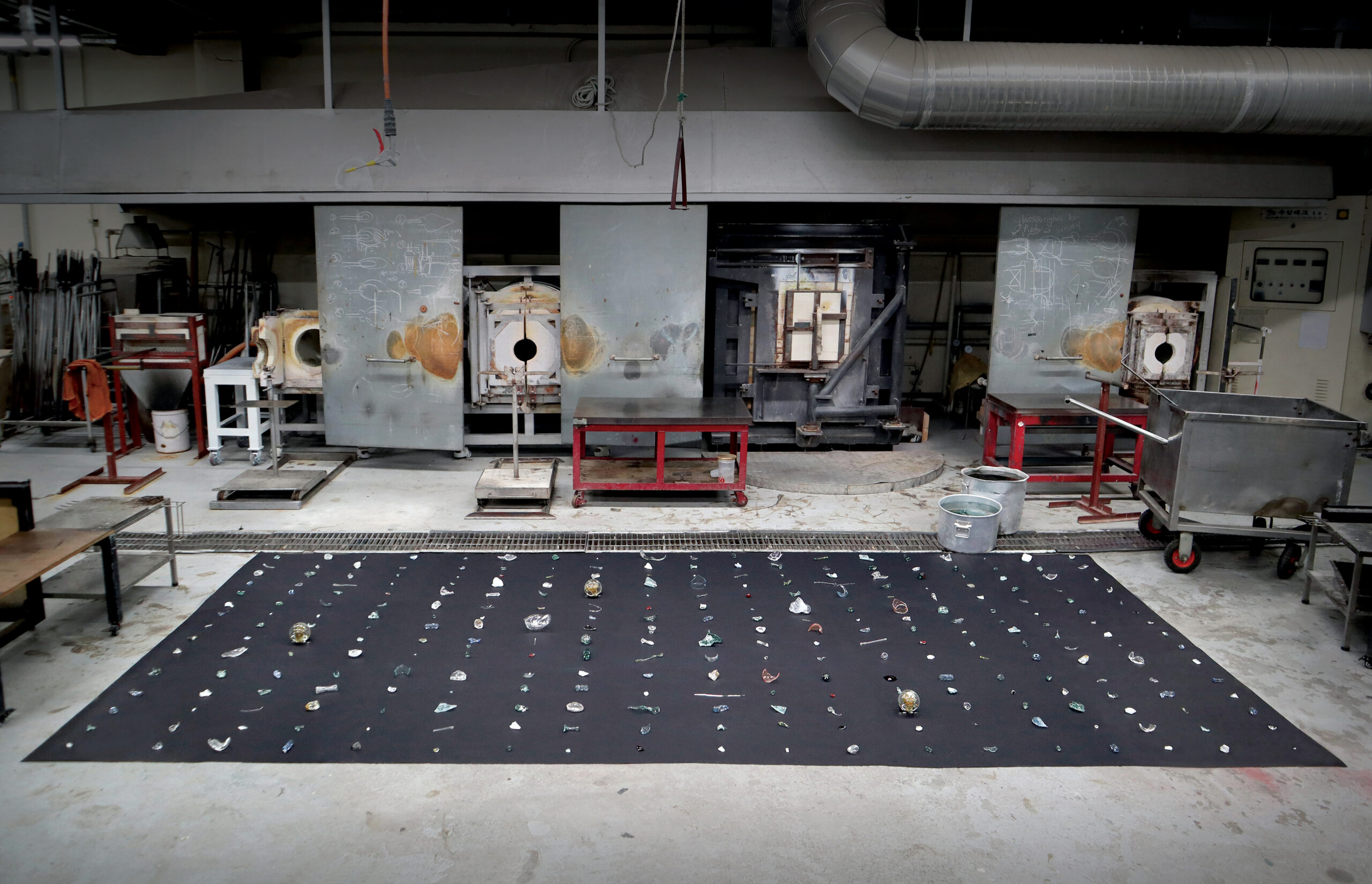
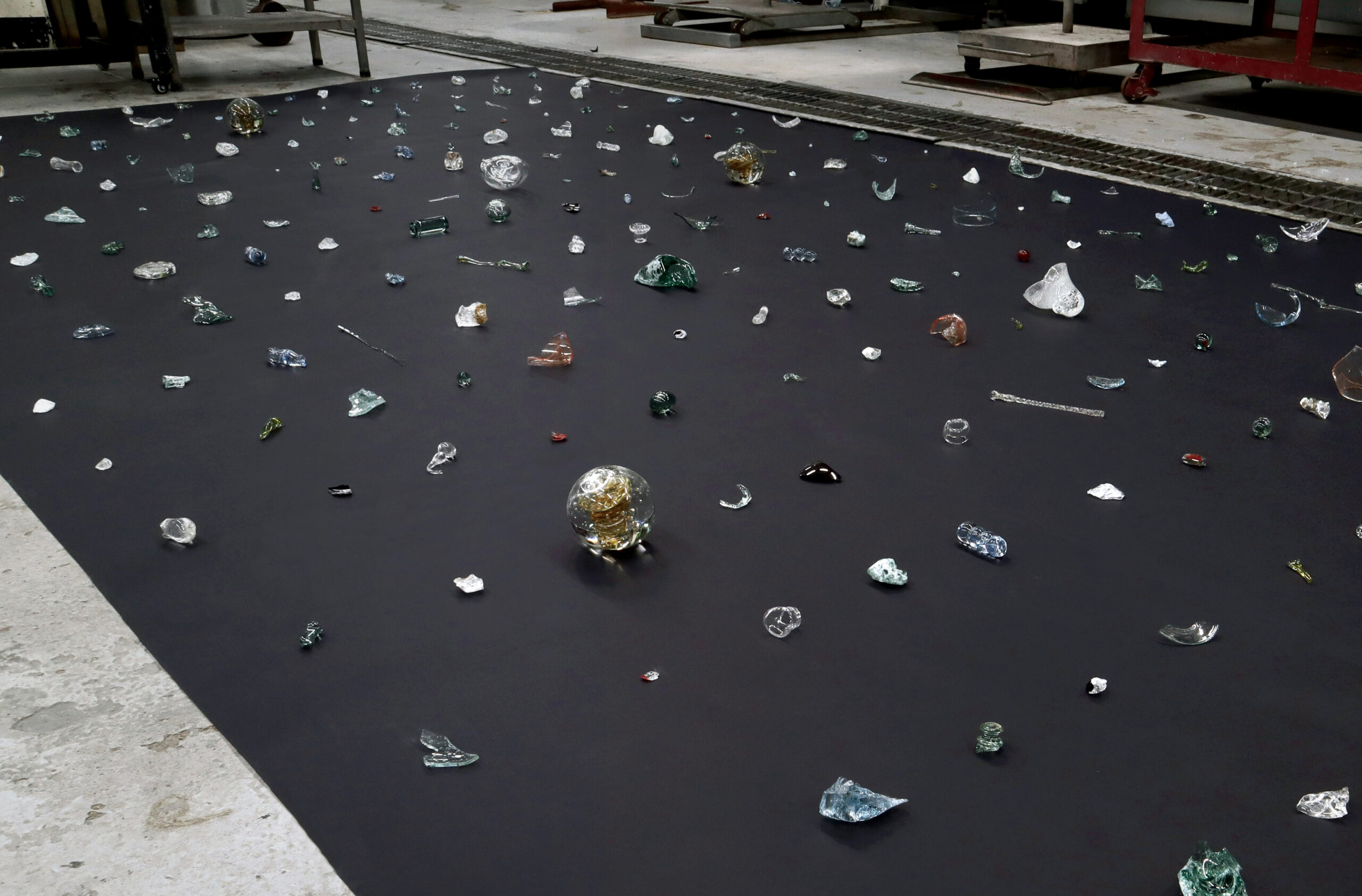
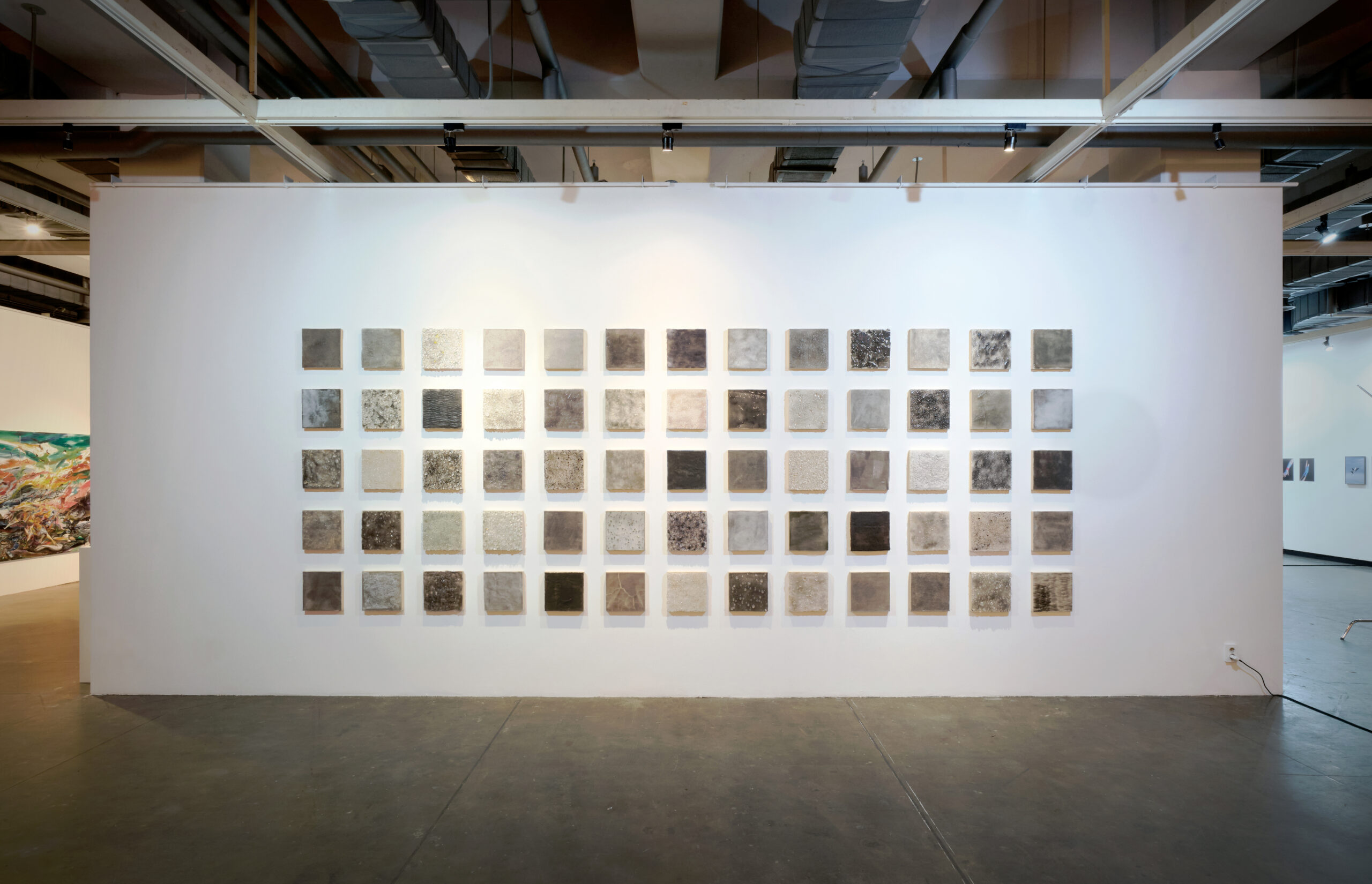
Dust reveals creation and extinction in their simplest forms.
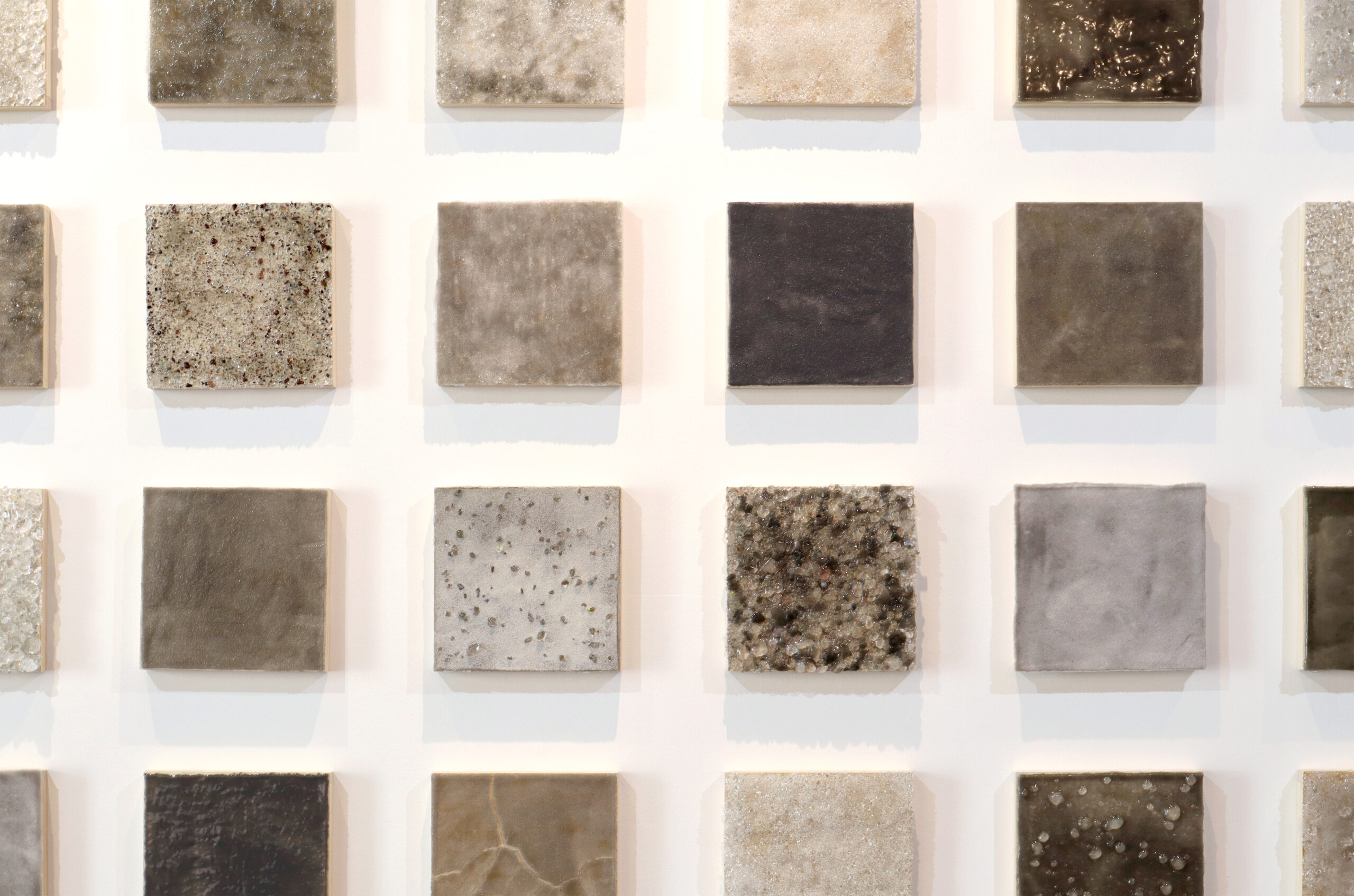
In the universe, dust is the fundamental material that creates everything and is created again when a dying star explodes. We express someone’s death as becoming a handful of ashes, and there is a verse in the Bible that says, “For you are dust, and to dust you will return.” Everything becomes dust and disappears, and begins from dust. I paid attention to waste glass which was discarded at the hot shop. I started to work with the glass powder through a repeated process of observing, collecting, and pulverizing.
Just as new stars begin to form in space when cosmic dust combines with gas at extremely high temperature and pressure, fused dust-like glass powder in a kiln creates a new composition of its own. Various colors of waste glass are spontaneously blended and turn into glass dust. Unique color depth and texture appear depending on the size of the glass frit, kiln temperature, number of firing processes, etc. Without the intention of creating an object or expressing anything, I am trying to focus on the circularity of existence and disappearance through the repeating process of turning glass masses into dust and the glass dust back into the mass.
Jiemin Park is a visual artist from South Korea. She received her BFA from Hong-ik University in Seoul and an MFA in glass from Rhode Island School of Design. Jiemin was awarded ‘Young Craftsman of the Year’ for 2024 from YÉOL Foundation. She had a solo exhibition at Urban Glass in New York City and a group show at Blowfish Gallery in England and the Venice Glass Week Hub exhibition in 2024. She was invited to a Visiting Artist Residency at the Museum of Glass, Tacoma and her works were selected for New Glass review 41 and 43.
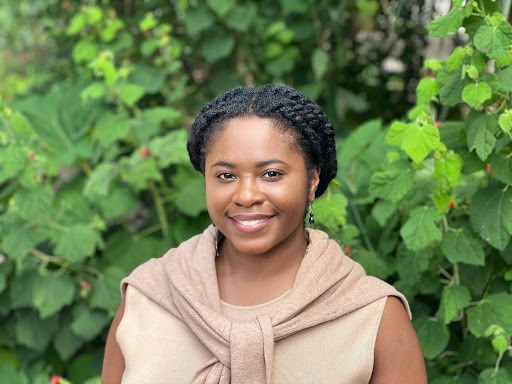
Jurors
Cydney Elaine Pickens
Francis explores digital and traditional forms of art while working and exhibiting her art in solo and group exhibitions locally and internationally. Tanda Francis has created several site-specific monumental public art pieces including BIGGIE (2014), New York City; Everyone Breaks, Riverside Park, New York City (2015-2016); And We Breath (collaborative), Van Cortlandt Park, New York City (2015-2016); Take Me With You, Socrates Sculpture Park, New York City, (2017-2018); Adorn Me, Fort Greene Park, Brooklyn (2017-2018); RockIt Black Queensbridge Park, Long Island CIty, New York (2021). Her work was most recently on display at New York’s MAD Museum of Art and Design and the cover spread of New York Times Arts and Leisure.
Joshua Kerley
After many travels, Mathieu dropped his suitcases in Canada where he now applies the different techniques acquired over the years. His work includes Venetian style thin goblets, original enamel drawings on glass, murrini and various glass creations. With all his work, he attempts to bring the past of glass together with the present – the outside world inside. His work explores themes of contradiction, power, duality and the absurdity of life. Mathieu also lectures and teaches the techniques he has learned. His recent workshops, lectures and classes have included various cities in China, France, Canada and the United States.
His work is in private collections across Europe and North America and can be seen at the Corning Museum of Glass and the Art Institute of Chicago along with several galleries in Canada.
Sachi Fujikake
Sachi Fujikake is a Japanese contemporary glass artist. Born in Aichi Prefecture in 1985, she studied glass at various educational institutions in Japan and abroad to explore new possibilities for glass. Since 2015, she has been creating works in her own studio. Fascinated by the soft and free form of molten glass, she primarily creates glass-blown works.
Her representative work, “Vestige,” is characterized by its unique technique that combines traditional glass methods with modern design to highlight the charm of soft glass. In particular, the “Vestige” series features regular dots that are irregularly distorted, expressing gentle distortion, bending, and shrinking.
Fujikake has participated in numerous exhibitions both in Japan and internationally, and has presented her works at art fairs such as TEFAF and the Armory Show. Her works are held in renowned institutions such as the Alexander Tutsek-Stiftung Foundation in Germany, the Corning Museum of Glass in the United States, and the Victoria and Albert Museum in the United Kingdom. She has also received several awards, including the Gold Award at the 2016 International Glass Exhibition in Kanazawa and the Gold Award at the 2018 Toyama International Glass Exhibition.